What Are Custom Orthotics?
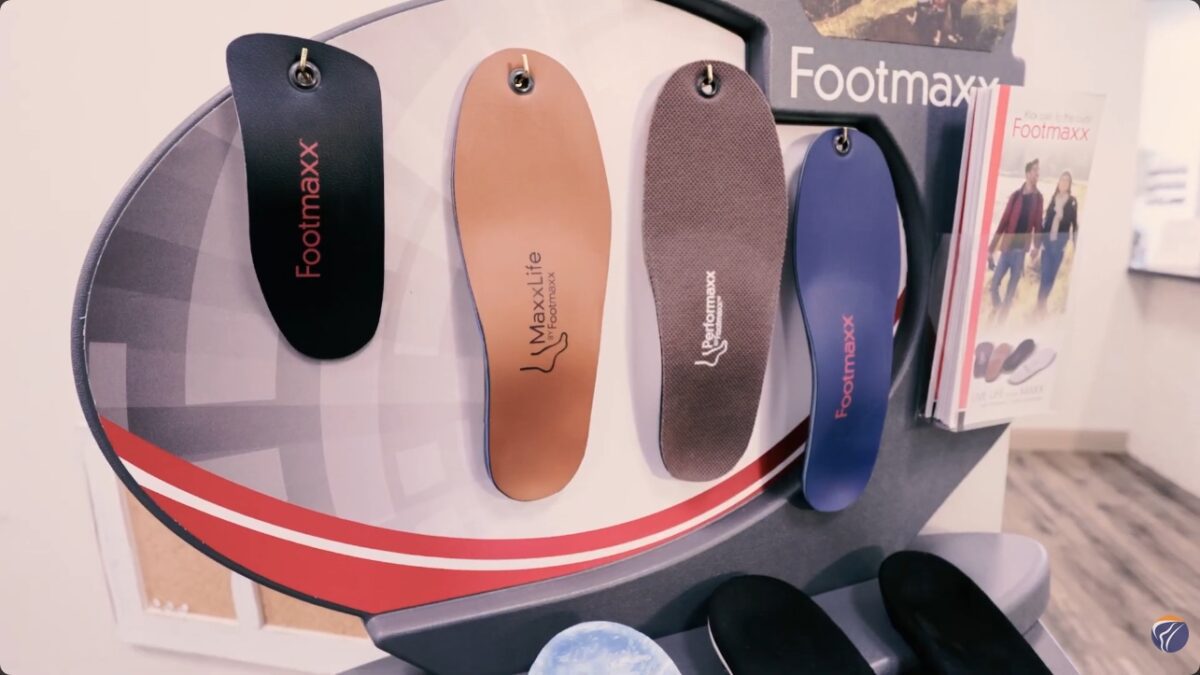
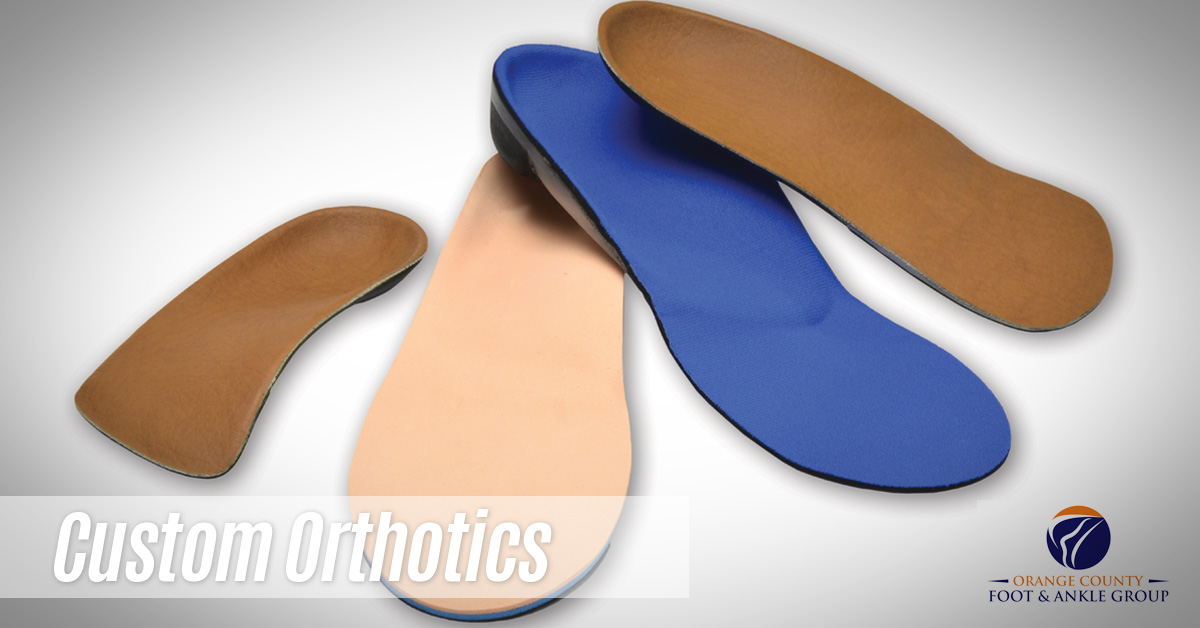
Custom orthotics are prescription foot devices designed to fit the individual contours and needs of your feet. They are placed inside shoes to provide support, redistribute pressure, or influence how forces move through the foot during standing and walking.
Unlike generic shoe inserts, custom orthotics are prescribed based on a clinical evaluation and designed for your specific foot structure and treatment goals.
Orthotics may be used to help manage certain painful conditions, accommodate areas of pressure, or support foot function. They do not permanently change the structure of the foot, and they are not necessary for every patient with foot pain.
How Can Orthotics Help?
The foot is a complex structure of bones, joints, muscles, tendons, and ligaments that work together to absorb impact and support movement. When certain areas experience excessive pressure or stress, discomfort may develop.
Custom orthotics may help by:
- Redistributing pressure across the foot.
- Providing support to specific areas.
- Reducing stress on certain painful structures.
- Improving comfort during standing and walking.
- Accommodating individual foot shapes or deformities.
- Supporting a broader treatment plan for certain conditions.
The benefits depend on the diagnosis, the orthotic design, and how the device is used. Orthotics are not a universal solution, and your podiatrist will determine whether they are likely to help your particular concern.
What Conditions May Benefit From Custom Orthotics?
Orthotics may be recommended for select patients with a variety of foot and ankle conditions. Their role depends on the underlying cause of symptoms and the goals of treatment.
Heel Pain and Plantar Fasciitis
Custom orthotics may help reduce stress on the plantar fascia and improve pressure distribution for certain patients with persistent heel pain. They are often considered alongside other conservative treatment recommendations.
Flat Feet
For patients with symptomatic flat feet, orthotics may help provide support and reduce discomfort associated with foot mechanics. They do not permanently create an arch or correct every type of flatfoot deformity.
Arch Pain
When arch pain is related to mechanical stress or pressure distribution, custom orthotics may help improve comfort and support. An evaluation is important to determine whether the pain is caused by plantar fasciitis, tendon problems, or another condition.
Bunions
Orthotics may help manage certain symptoms associated with bunions by improving support or redistributing pressure. They do not reverse the structural deformity or eliminate the need for surgery when surgical treatment is clinically indicated.
Achilles Tendon Problems
In select cases, orthotics may be considered when foot mechanics contribute to Achilles tendon stress. Their role depends on the location and nature of the tendon condition and the patient's individual needs.
Sports Injuries and Overuse Conditions
Orthotics may be useful for certain athletes or active patients when repetitive stress or foot mechanics contribute to discomfort. They may be incorporated into a broader plan that includes appropriate activity modification and recovery guidance.
Diabetic Foot Care
For certain patients with diabetes, appropriately designed orthotics may help redistribute pressure and accommodate areas at risk of irritation. The type of device and level of protection required depend on the patient's foot structure, sensation, circulation, and overall risk.
Patients with active wounds or significant diabetic foot complications may require more specialized care, and orthotics should not be used as a substitute for appropriate wound treatment.
Custom Orthotics vs. Over-the-Counter Inserts
Over-the-counter inserts are widely available and may provide comfort or general support for some people. They are typically manufactured in standard sizes and are not designed around an individual patient's specific diagnosis.
Custom orthotics are prescribed following a clinical evaluation and are designed to address particular foot mechanics, pressure concerns, or treatment goals.
Not everyone needs custom orthotics. For some patients, an appropriate over-the-counter insert may be sufficient. Your podiatrist can help determine which option makes sense based on your symptoms, foot structure, and individual needs.
What to Expect During Your Orthotics Evaluation
A Thorough Foot and Ankle Assessment
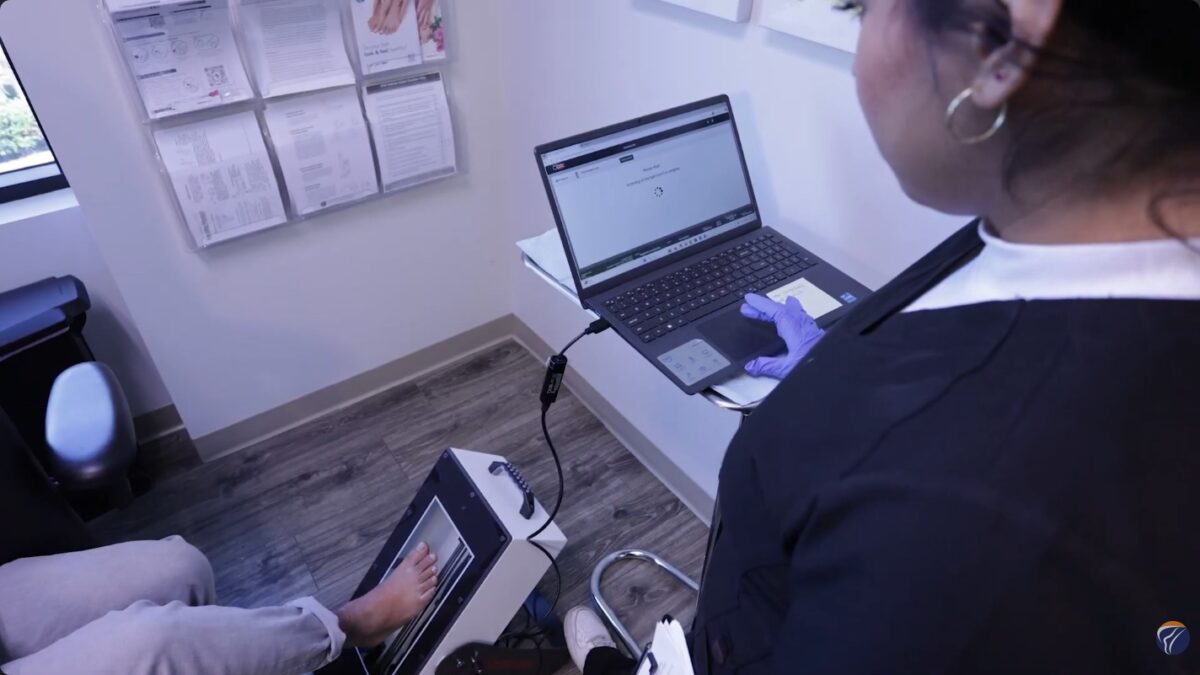
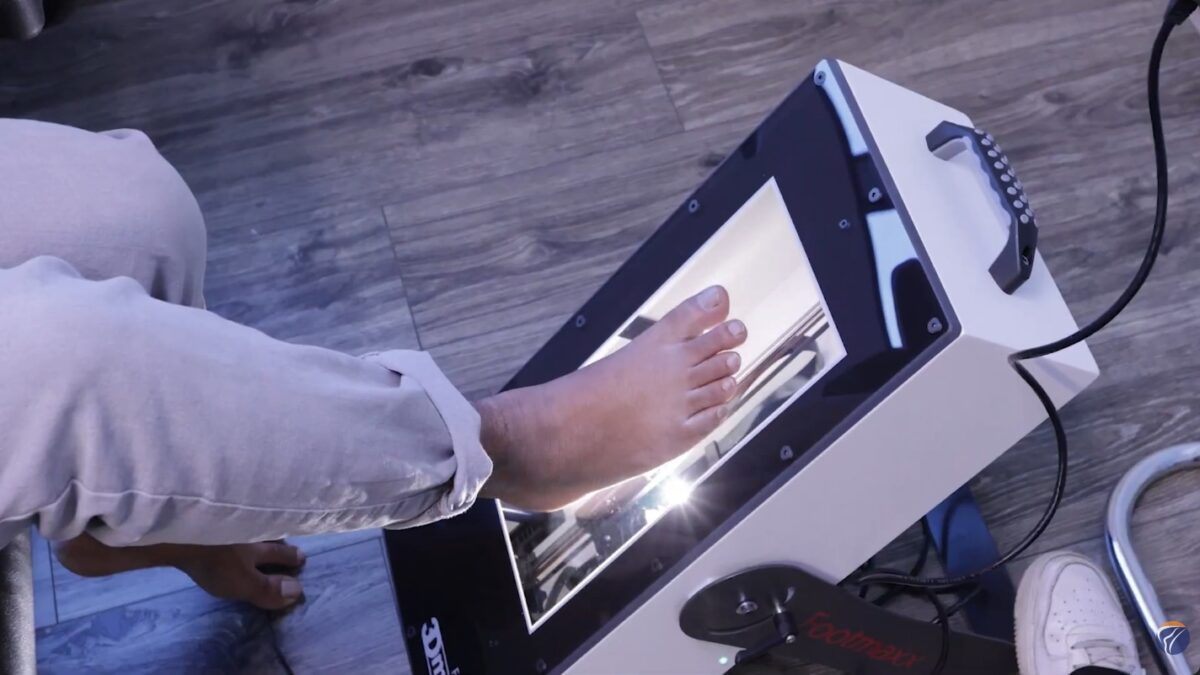
Your podiatrist will discuss your symptoms, medical history, activity level, and the types of shoes you wear. We will examine your feet and assess factors such as foot structure, joint movement, areas of tenderness, and how your feet function during standing or walking.
A Personalized Recommendation
If orthotics may be appropriate, your podiatrist will explain the recommended type of device and how it is intended to address your specific concerns.
The design may vary depending on whether the goal is to provide support, accommodate a deformity, redistribute pressure, or address another clinical need.
Fitting and Follow-Up
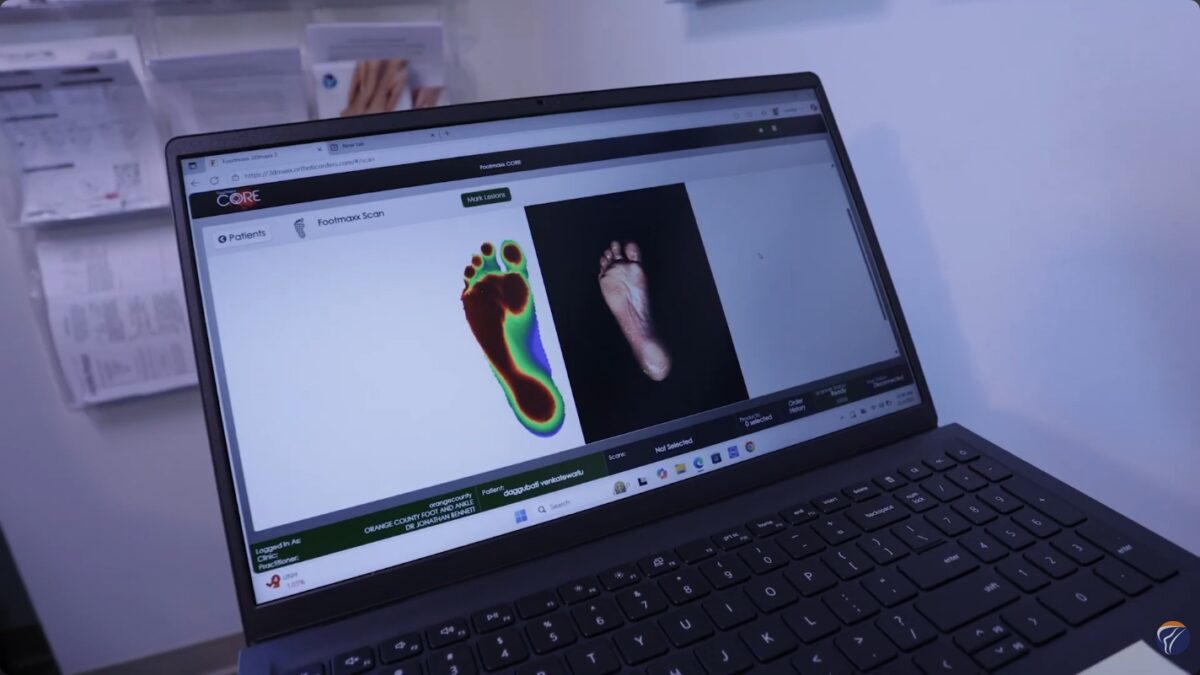
Custom orthotics are created according to the prescribed design and your individual foot measurements or impressions. Your podiatrist will provide guidance on fitting, appropriate footwear, and how to begin using your orthotics.
Follow-up may be recommended to assess comfort, function, and whether adjustments are needed.
Our Simple Plan for Better Foot Support
- 1. Schedule Your Evaluation
Tell us about your foot or ankle pain, the activities that make it worse, and what you have already tried. - 2. Find the Right Support
Your podiatrist will evaluate your foot mechanics and determine whether custom orthotics may be appropriate for your condition. - 3. Move More Comfortably
Receive personalized guidance on using your orthotics and incorporating them into your broader foot and ankle care plan.
How Long Does It Take to Adjust to Custom Orthotics?
Some patients notice an improvement in comfort relatively quickly, while others need time to adjust to the way orthotics change pressure and support inside their shoes.
Your podiatrist may recommend gradually increasing wear time and monitoring how your feet respond. Mild adjustment-related discomfort can occur, but persistent pain, skin irritation, or worsening symptoms should be discussed with your podiatrist.
Orthotics should be used according to your specific instructions, particularly if you have diabetes, reduced sensation, or other conditions that increase the risk of skin problems.
How Long Do Custom Orthotics Last?
The lifespan of custom orthotics varies depending on the materials, how frequently they are worn, your activity level, and changes in your feet over time.
Some devices may last several years, while others require replacement sooner. Your podiatrist can evaluate the condition of your orthotics and determine whether adjustments, refurbishment, or replacement may be appropriate.
Replacement depends on wear, materials, activity level, and changes in your feet. Your podiatrist can assess your orthotics and recommend replacement or adjustments when necessary.
Does insurance cover custom orthotics?
Coverage varies by insurance plan, diagnosis, and medical necessity requirements. Our team can help you understand the information needed to determine whether your plan may provide coverage.
Frequently Asked Questions About Custom Orthotics
Custom orthotics are prescribed based on an individual clinical evaluation and designed for specific foot mechanics or treatment goals. Over-the-counter inserts are manufactured in standard sizes and may provide general cushioning or support.
Custom orthotics may help certain patients with plantar fasciitis by reducing stress on the plantar fascia and improving pressure distribution. They are often used as part of a broader treatment plan rather than as the only treatment.
Orthotics may help support the foot and reduce symptoms associated with flat feet, but they do not permanently create an arch or correct every structural deformity. Treatment is based on symptoms and function rather than arch shape alone.
Orthotics may help manage certain symptoms by improving support or redistributing pressure. However, they do not reverse a bunion or permanently correct the underlying deformity.
Custom orthotics may be beneficial when they address a specific clinical need that is not adequately managed with other options. Their value depends on your diagnosis, symptoms, and treatment goals. Your podiatrist can help determine whether custom devices are appropriate or whether a simpler option may be sufficient.
Some patients experience an adjustment period as they become accustomed to the support and pressure distribution of a new device. Persistent pain, significant discomfort, or skin irritation should not be ignored and may require an adjustment or reevaluation.
Orthotic compatibility depends on the device design and the type of footwear. Some orthotics fit a range of shoes, while others require specific shoe styles or adequate space. Your podiatrist can provide guidance based on your prescribed device.
If your symptoms change or your orthotics no longer feel comfortable, an updated evaluation may be recommended. Replacement depends on wear, materials, activity level, and changes in your feet.
Take the Next Step Toward Comfortable Movement
You do not have to keep guessing which shoes or inserts might help your foot pain. Orange County Foot & Ankle Group can evaluate your symptoms, explain your options, and determine whether custom orthotics may be appropriate for your needs.
Our team is committed to providing personalized care that helps you move more comfortably and stay active.
Schedule an Orthotics Consultation