Get the Right Care and Take the Next Step Toward Recovery
Our goal is to help you heal safely, restore function, and return to the activities that matter to you.
What Is a Foot or Ankle Fracture?
A fracture is a break in a bone. Foot and ankle fractures can range from small cracks caused by repetitive stress to more significant breaks that occur after a sudden injury.
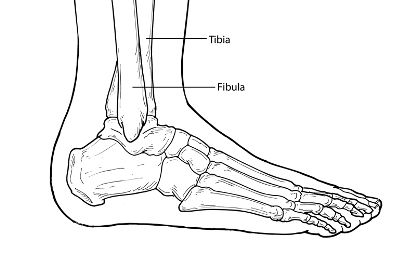
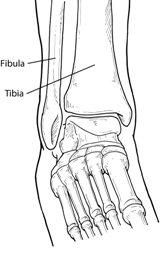
The foot and ankle contain many bones that work together to support your weight, absorb impact, and allow movement. A fracture can affect any of these structures, and the treatment required depends on the location, severity, and stability of the injury.
Some fractures are relatively straightforward, while others involve multiple bones, joint surfaces, or surrounding soft tissues. An accurate diagnosis helps determine the safest and most appropriate approach to care.
Common Types of Foot and Ankle Fractures
Fractures can occur in different areas of the foot and ankle, and each type may require a different treatment approach.
Toe Fractures
A broken toe may occur after stubbing the toe, dropping an object on the foot, or experiencing a direct impact. Symptoms can include pain, swelling, bruising, and difficulty wearing shoes.
Metatarsal Fractures
The metatarsals are the long bones in the middle of the foot. Fractures may result from a sudden injury or repetitive stress and can cause pain and swelling across the top or side of the foot.
Ankle Fractures
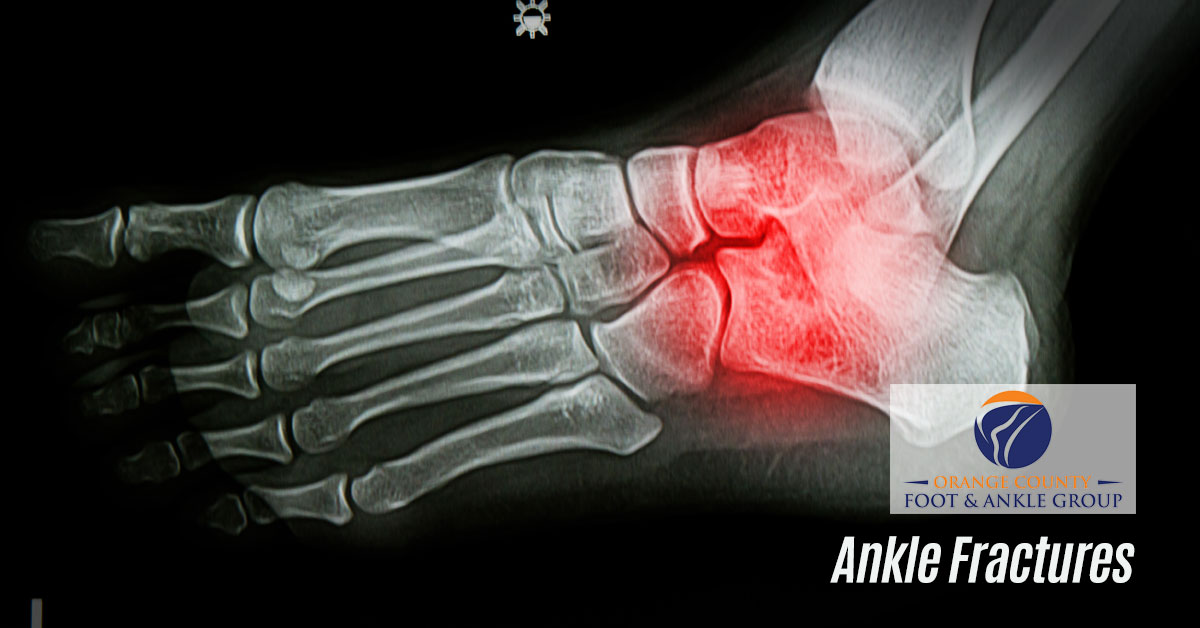
An ankle fracture involves one or more of the bones that form the ankle joint. These injuries may occur during a fall, twisting injury, or other trauma and can range from stable fractures to more complex injuries requiring surgical evaluation.
Heel Bone Fractures
The calcaneus, or heel bone, can fracture after a significant impact, such as a fall from a height. Heel fractures may cause substantial pain, swelling, and difficulty bearing weight.
Stress Fractures
Stress fractures are small cracks that develop when repetitive loading exceeds the bone's ability to recover. They are often associated with running, jumping, increased training, or other repetitive activities.
Unlike an acute fracture, a stress fracture may begin with mild discomfort that gradually worsens over time.
What Causes Foot and Ankle Fractures?
Foot and ankle fractures can occur suddenly or develop gradually. The cause often influences the type of injury and the treatment required.
Common causes include:
- Falls or awkward landings.
- Twisting injuries to the foot or ankle.
- Sports-related impacts or collisions.
- Dropping a heavy object on the foot.
- Motor vehicle or other high-impact accidents.
- Repetitive stress from running, jumping, or increased activity.
- Bone weakness associated with certain medical conditions.
Stress fractures may be more likely when training intensity increases too quickly, recovery is inadequate, or underlying factors affect bone health.
Signs and Symptoms of a Foot or Ankle Fracture
Fracture symptoms vary depending on the location and severity of the injury. Some fractures cause immediate, intense pain, while stress fractures may develop gradually.
You may notice:
- Pain in a specific area of the foot or ankle.
- Swelling or bruising.
- Tenderness when touching the injured area.
- Difficulty walking or bearing weight.
- Pain that worsens with activity.
- A visible change in the shape or alignment of the foot or ankle.
- Reduced movement or difficulty using the affected foot.
- Pain that persists despite rest.
It is possible to walk on some fractures, so the ability to bear weight does not necessarily mean a bone is not broken.
When Should You See a Podiatrist for a Possible Fracture?
If you suspect a foot or ankle fracture, an evaluation can help determine the extent of the injury and prevent further damage. Continuing to walk or exercise on certain fractures may worsen the injury or delay healing.
Schedule an appointment if you have persistent pain after an injury, localized bone tenderness, swelling that is not improving, or pain that increases with activity.
Seek urgent medical attention if you have an obvious deformity, severe pain, an inability to bear weight, an open wound with a possible fracture, or a foot that becomes numb, cold, or unusually pale. High-impact injuries and suspected fractures with significant swelling should also be evaluated promptly.
Personalized Fracture Care at Orange County Foot & Ankle Group
Our podiatrists begin by discussing how the injury occurred, your symptoms, medical history, and activity level. We will examine the affected area and assess tenderness, swelling, alignment, circulation, and other findings that may help identify the injury.
Diagnostic imaging is often necessary to confirm a fracture and determine its location and severity. Depending on the injury, additional imaging or evaluation may be recommended when a fracture is not clearly visible or more detailed information is needed.
Once we understand the injury, we can recommend a treatment plan designed to protect the bone, support healing, and help you return to activity safely.
Foot & Ankle Fracture Treatment Options
Treatment depends on the type of fracture, whether the bone is displaced, the stability of the injury, and your individual health needs. Some fractures heal with non-surgical care, while others require surgical treatment.
Conservative Care and Fracture Protection
Many stable fractures can be managed without surgery. Your podiatrist may recommend appropriate protection, activity restrictions, and measures to limit stress on the injured bone while it heals.
The specific approach depends on the fracture's location and severity. Your podiatrist will explain how much weight you can safely place on the foot and when it may be appropriate to gradually resume activity.
Foot & Ankle Surgery
Surgery may be necessary for certain displaced, unstable, or complex fractures, particularly when the injury affects joint alignment or cannot be adequately managed with conservative care.
The goal of surgical treatment is to restore appropriate alignment and stability when clinically indicated. Your podiatrist will explain the recommended procedure, potential risks and benefits, and what recovery may involve.
Orthotics During Recovery or Long-Term Care
Orthotics are not a primary treatment for an acute fracture. However, after appropriate healing, custom orthotics may be considered for certain patients when foot mechanics or pressure distribution contribute to recurring stress or discomfort.
Your podiatrist will determine whether orthotics are appropriate as part of your longer-term care plan.
Our Approach to Helping You Heal
- 1. Schedule Your Evaluation
Tell us how your injury occurred, where you are experiencing pain, and whether you are having difficulty walking or bearing weight. - 2. Understand Your Diagnosis
Your podiatrist will examine the affected area, recommend appropriate diagnostic testing, and explain the type and severity of your injury. - 3. Follow a Personalized Recovery Plan
Receive care and guidance designed to protect the fracture, support healing, and help you return to your normal activities safely.
What Can You Expect During Fracture Recovery?
Recovery depends on the bone involved, the severity of the fracture, your overall health, and the treatment required. Some fractures heal relatively quickly, while others require a longer period of protection and activity modification.
Your podiatrist will provide guidance on weight-bearing, footwear, activity restrictions, and follow-up care. It is important to follow these recommendations even if your pain begins to improve, because symptoms may decrease before the bone has fully healed.
Returning to activity too soon can increase the risk of delayed healing, reinjury, or other complications. Your care plan will be adjusted based on your progress and the demands of your daily activities.
How Can You Help Prevent Foot and Ankle Fractures?
Not every fracture can be prevented, but certain habits may help reduce your risk.
Wear appropriate footwear for your activities, increase training intensity gradually, and allow adequate recovery between workouts. Pay attention to persistent pain, especially when it is localized to a specific bone or worsens with activity.
Maintaining bone health through appropriate nutrition, exercise, and medical care is also important. If you have a history of stress fractures or concerns about bone density, discuss these factors with your healthcare professional.
Frequently Asked Questions About Foot and Ankle Fractures
A fracture may cause pain, swelling, bruising, tenderness, or difficulty bearing weight. However, these symptoms can also occur with sprains and other injuries. An examination and diagnostic imaging are often needed to confirm whether a bone is broken.
Some people can walk on certain fractures, but that does not mean it is safe to do so. Continuing to bear weight on an injured bone may worsen some fractures or delay healing. If you suspect a fracture, seek an evaluation before continuing normal activity.
A sprain involves injury to a ligament, while a fracture is a break in a bone. Both can cause pain, swelling, and bruising, and they may occur together. Diagnostic testing may be necessary to distinguish between them.
Healing time varies depending on the bone involved, the type of fracture, and your individual health. Many fractures require several weeks or longer to heal, while more complex injuries may take months. Your podiatrist can provide a more specific timeline after evaluating your injury.
No. Many stable fractures can heal with appropriate non-surgical care. Surgery may be considered for certain displaced, unstable, or complex fractures when restoring alignment or stability is necessary.
A stress fracture is a small crack in a bone caused by repetitive loading over time. It often develops gradually and may cause pain that worsens with activity. Early diagnosis and appropriate activity modification are important to prevent the injury from progressing.
Some stress fractures may not be visible on early X-rays. If a stress fracture is suspected despite normal initial imaging, your podiatrist may recommend additional testing or follow-up evaluation.
The timing depends on the type of fracture, healing progress, and the demands of your activity. Returning too soon may increase the risk of reinjury. Your podiatrist can help you determine when it is appropriate to gradually resume running or sports.
A fracture that heals slowly or in an improper position may cause persistent pain, instability, or changes in foot function. Some cases require additional evaluation or treatment. Following your care plan and attending recommended follow-up appointments can help identify healing concerns early.
Take the First Step Toward Recovery
You do not have to guess whether your foot or ankle injury is serious or try to push through pain. Orange County Foot & Ankle Group can help you understand your diagnosis and recommend the care you need to move forward.
Whether you are dealing with a sudden injury or a possible stress fracture, our team is committed to providing personalized care focused on safe healing and long-term mobility.
Schedule an Appointment