What Are Flat Feet?
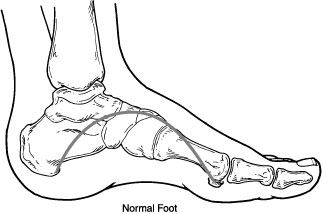
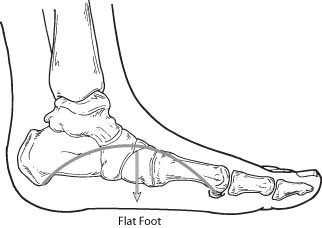
Flat feet, also known as pes planus, occur when the arches of the feet are low or appear to collapse toward the ground while standing. Some people have flat feet from childhood, while others develop changes in arch height later in life.
Flat feet can be flexible or rigid. With flexible flat feet, the arch may appear when you are sitting or standing on your toes but flatten when you bear weight. With rigid flat feet, the arch remains low even when you are not standing.
Many people with flat feet have no pain or limitations and do not require treatment. However, when flat feet are associated with discomfort, instability, or changes in foot function, a podiatric evaluation can help identify the cause and determine whether care is needed.
What Causes Flat Feet?
Flat feet can develop for several reasons. In some people, low arches are simply part of their natural foot structure. In others, changes in the tendons, ligaments, joints, or bones may contribute to the condition.
Common contributing factors include:
- Inherited foot structure: Some people naturally have lower arches or more flexible feet.
- Childhood development: Flat feet are common in young children, and arches may develop as they grow.
- Tendon problems: Injury or degeneration of tendons that support the arch can contribute to acquired flatfoot in adults.
- Ligament changes: Changes in the tissues that support the foot may affect arch stability.
- Injury: Trauma to the foot or ankle can sometimes alter foot structure or function.
- Arthritis: Certain joint conditions may contribute to changes in arch shape or mobility.
- Other medical factors: Conditions affecting muscles, nerves, or connective tissues may influence foot structure.
The cause of flat feet can affect which treatment options are appropriate, particularly when the condition develops or worsens in adulthood.
Signs and Symptoms of Flat Feet
Some people with flat feet experience no symptoms at all. Others may develop discomfort related to foot mechanics, tendon irritation, or increased stress on certain structures.
Symptoms may include:
- Aching or pain through the arch.
- Heel pain or discomfort along the inside of the foot.
- Foot fatigue after prolonged standing or walking.
- Pain around the inside of the ankle.
- Swelling near the arch or ankle.
- Difficulty with certain activities or footwear.
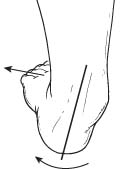
- Changes in the way the foot or ankle appears when standing.
- Discomfort that extends into the lower legs in some cases.
A sudden change in arch height, especially when accompanied by pain or swelling, should be evaluated to determine whether an underlying tendon or structural problem is present.
When Should You See a Podiatrist for Flat Feet?
You do not need treatment simply because your arches are low. However, an evaluation is recommended when flat feet cause pain, interfere with daily activities, or appear to be changing over time.
Consider scheduling an appointment if you experience recurring arch or ankle pain, difficulty standing or walking for long periods, or discomfort that does not improve with appropriate footwear and activity changes.
You should also seek an evaluation if one foot becomes noticeably flatter than the other, your arch changes suddenly, or you develop swelling and pain along the inside of the ankle. These symptoms may indicate a tendon or structural condition that requires more specific care.
Personalized Flat Feet Care at Orange County Foot & Ankle Group
Our podiatrists begin by discussing your symptoms, medical history, activity level, and how your feet affect your daily life. We will examine your foot structure, assess how your arches behave when standing and moving, and evaluate the joints and tendons that support your feet.
When clinically indicated, diagnostic imaging may be recommended to assess bone alignment, joint changes, or other structural concerns.
Once we understand your condition, we can recommend a treatment plan based on your symptoms and goals. Our approach focuses on improving comfort and function rather than treating arch shape alone.
Flat Feet Treatment Options
Treatment depends on whether your flat feet are causing symptoms, the underlying cause, and the severity of any structural changes. Many patients can manage discomfort with non-surgical care, while others may require more specialized treatment.
Conservative Care and Footwear Guidance
For patients with mild or moderate symptoms, appropriate footwear and activity modifications may help reduce discomfort. Your podiatrist may recommend shoes that provide suitable support and guidance on managing activities that aggravate your symptoms.
Conservative care can help improve comfort, but it does not necessarily change the underlying structure of the foot.
Custom Orthotics
Custom orthotics may be recommended when foot mechanics or abnormal pressure contribute to pain or fatigue. They can help improve support, redistribute forces, and reduce stress on certain structures.
Orthotics may be particularly useful for select patients with flexible flat feet, arch pain, or related overuse conditions. They do not permanently create an arch or correct every type of flatfoot deformity, and your podiatrist will determine whether they are appropriate for your needs.
EBM Medical Products
For select patients, appropriate supplements or pain-relieving creams may be considered as part of a broader care plan. These products may help support symptom management when clinically appropriate, but they do not correct the underlying structural condition.
Regenerative Medicine
Orange County Foot & Ankle Group offers regenerative medicine options, including PRP and amniotic-based treatments. Depending on the diagnosis, certain therapies may be considered for select chronic soft-tissue conditions associated with flat feet.
These treatments do not correct the structural alignment of a flatfoot deformity. Evidence, risks, benefits, and regulatory considerations vary by product and indication, and your podiatrist can explain whether an available option may be appropriate for your specific condition.
Foot & Ankle Surgery
Surgery may be considered when flat feet cause significant pain or functional limitations, particularly when a structural deformity or tendon problem has not responded adequately to appropriate non-surgical care.
The specific surgical approach depends on the underlying cause, the flexibility of the foot, joint condition, and severity of the deformity. Your podiatrist will explain the available options, potential risks and benefits, and what recovery may involve.
Our Approach to Helping You Move Comfortably
- 1. Schedule Your Evaluation
Tell us about your symptoms, how long they have been present, and how they are affecting your daily activities. - 2. Understand Your Foot Structure
Your podiatrist will evaluate your arches, foot mechanics, and any underlying conditions that may be contributing to discomfort. - 3. Follow a Personalized Care Plan
Receive appropriate care and guidance designed to improve comfort, support function, and help you stay active.
Can Flat Feet Be Prevented?
Not all flat feet can be prevented, particularly when they are related to inherited foot structure or natural development. However, certain measures may help reduce discomfort and support foot health.
Wear shoes that fit properly and provide appropriate support for your activities. Increase exercise intensity gradually, and pay attention to recurring pain or changes in the way your feet function.
If you notice a new or progressive change in arch height, especially with pain or swelling, seek an evaluation. Early identification of certain tendon or structural problems may help guide treatment and reduce the risk of further progression.
Frequently Asked Questions About Flat Feet
Not necessarily. Many people with flat feet have no pain or functional limitations and do not require treatment. Flat feet become more concerning when they cause symptoms, develop suddenly, or are associated with changes in foot structure or function.
Yes. Flat feet can contribute to arch pain, heel pain, tendon irritation, and foot fatigue in some patients. However, not all foot pain is caused by flat feet, and an examination can help identify the underlying problem.
Orthotics may help improve support and reduce discomfort, but they do not permanently create an arch or correct every type of structural deformity. Their effectiveness depends on the cause of the flat feet and the patient's individual needs.
Many children have flexible flat feet that do not cause symptoms and may not require treatment. An evaluation may be appropriate if a child has pain, difficulty participating in activities, a rigid foot, or other concerning symptoms.
Yes. Some adults develop acquired flatfoot due to changes in tendons, ligaments, joints, or other structures that support the arch. A new or progressive change in foot shape should be evaluated, particularly when it is accompanied by pain or swelling.
No. Most people with flat feet do not require surgery. Surgical treatment may be considered in select cases when significant pain or functional limitations persist despite appropriate non-surgical care or when a structural problem requires correction.
Foot mechanics can influence how forces are distributed through the lower extremities, and some patients with flat feet may experience discomfort elsewhere. However, knee or back pain can have many causes, and flat feet should not automatically be assumed to be responsible.
Flexible flat feet have an arch that may appear when the foot is not bearing weight but flatten when standing. Rigid flat feet remain flat even when the foot is not bearing weight. Rigid flat feet may require additional evaluation to identify an underlying structural condition.
Seek an evaluation if flat feet cause persistent pain, develop suddenly, become progressively worse, or are associated with swelling, weakness, or difficulty walking. A noticeable change in one foot may be especially important to assess.
Take the Next Step Toward Comfortable Movement
You do not have to let arch pain or foot fatigue limit your daily activities. Whether you have had flat feet your entire life or have noticed changes more recently, Orange County Foot & Ankle Group can help you understand your condition and explore your options.
Our team provides personalized foot and ankle care focused on your comfort, mobility, and long-term goals.
Schedule an Appointment