What Is Toenail Fungus?
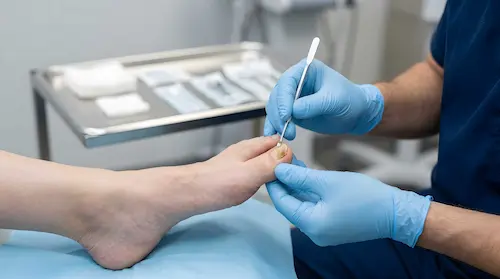
Toenail fungus, also known as onychomycosis, is an infection of the nail caused by fungi. It can affect one or more toenails and may cause changes in the nail's color, thickness, texture, or shape.
Fungal organisms can enter through small openings in the nail or surrounding skin. Because toenails grow slowly and the infection can involve the nail bed, treatment may take time and visible improvement is gradual.
Not every thick or discolored nail is caused by fungus. Injury, psoriasis, and other nail conditions can produce similar changes, which is why an accurate diagnosis is important before beginning treatment.
What Are the Symptoms of Toenail Fungus?
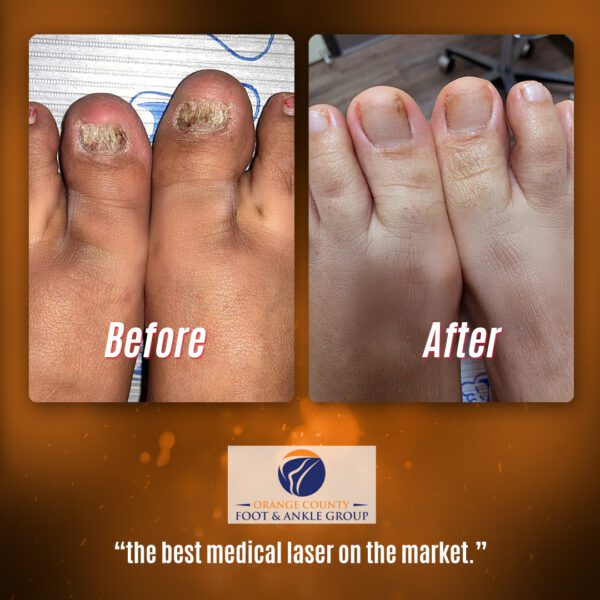
Toenail fungus may begin as a small area of discoloration and gradually affect more of the nail.
Common signs include:
- Yellow, white, or brown discoloration.
- Thickened toenails.
- Brittle, crumbly, or rough nail edges.
- Changes in nail shape.
- Debris beneath the nail.
- Separation of the nail from the nail bed.
- Discomfort when wearing shoes in some cases.
Some fungal nail infections cause little or no pain, while others become uncomfortable as the nail thickens or changes shape.

What Causes Toenail Fungus?
Toenail fungus develops when fungal organisms infect the nail. Warm, moist environments can make it easier for fungi to grow and spread.
Factors that may increase the risk include:
- Frequent exposure to damp communal areas.
- Sweaty feet or shoes that retain moisture.
- A history of athlete's foot.
- Nail trauma or repeated pressure from footwear.
- Increasing age.
- Diabetes or certain conditions affecting circulation or immunity.
- A previous fungal nail infection.
Toenail fungus can also spread between nails or recur after treatment, particularly when contributing factors remain present.

How Does Laser Treatment for Toenail Fungus Work?
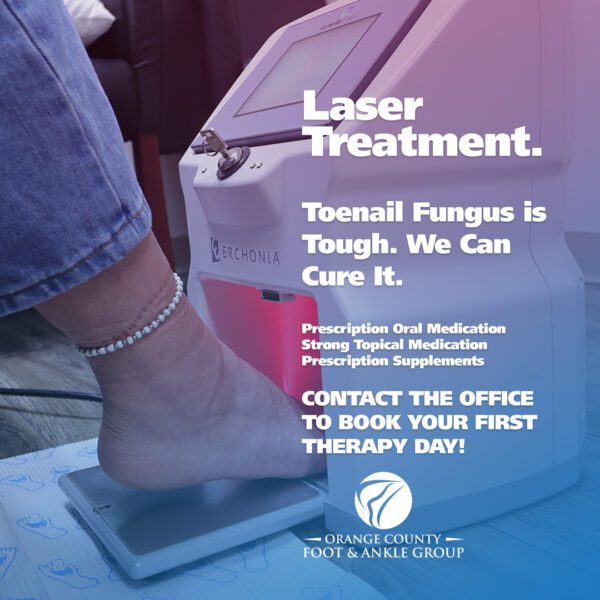
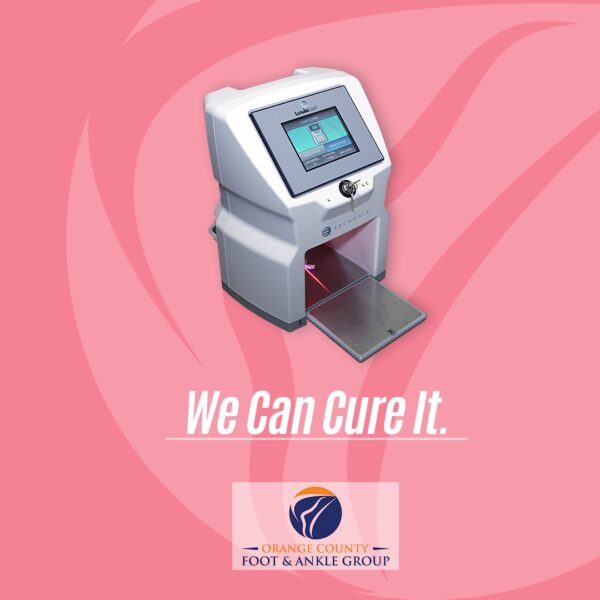
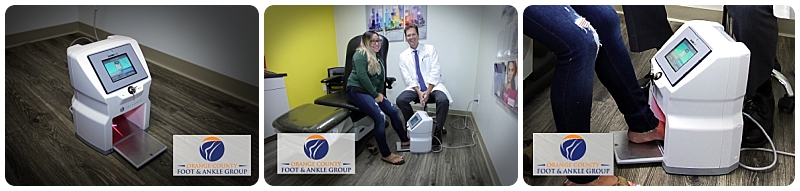
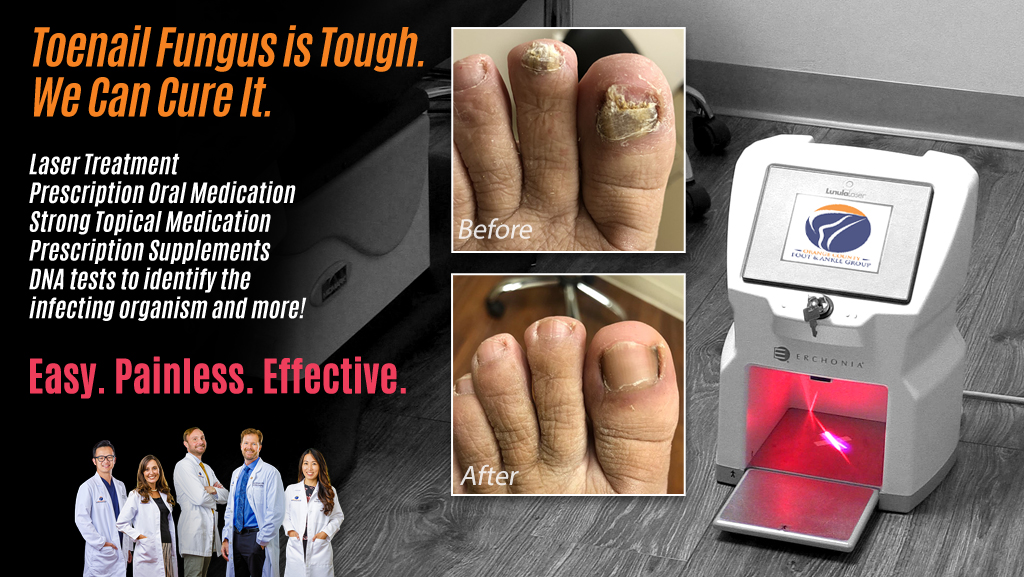
Laser nail fungus treatment uses light energy directed at the affected toenail. Depending on the device, the laser is intended to produce effects within the nail that may help address fungal infection or improve the appearance of affected nails.
The exact mechanism, treatment protocol, and clinical evidence vary by laser system. Some devices are cleared for temporary improvement in the appearance of fungal nails rather than for curing the underlying infection.
Your podiatrist will explain the specific laser used by Orange County Foot & Ankle Group, what it is intended to accomplish, and whether it is appropriate for your condition.
Is Laser Toenail Fungus Treatment Right for You?
Laser treatment may be considered for certain patients with fungal toenail changes, particularly when they are interested in discussing alternatives to or combinations with other treatment approaches.
The best option depends on the severity of the infection, the number of nails involved, your medical history, previous treatments, and your goals.
A podiatrist can help determine whether laser treatment is appropriate or whether another approach may be more suitable. Laser treatment is not guaranteed to eliminate fungus, and some patients may require additional or alternative care.
Personalized Nail Fungus Care at Orange County Foot & Ankle Group
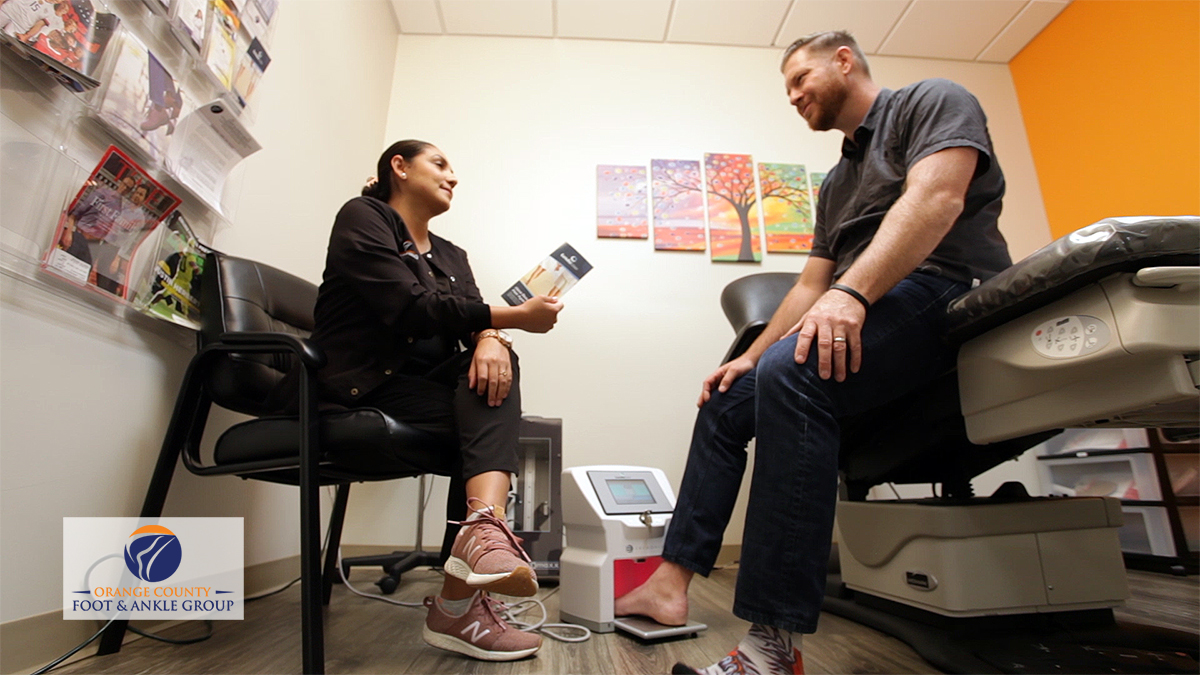
Our team begins by examining your nails and discussing how long the changes have been present, whether you have experienced discomfort, and what treatments you may have already tried.
Because several conditions can resemble toenail fungus, diagnostic testing may be recommended when clinically indicated to confirm the cause of the nail changes.
Once we understand your condition, we can discuss the available treatment options, including laser treatment when appropriate, and develop a plan based on your individual needs.

What to Expect From Laser Nail Fungus Treatment
Your Initial Evaluation
Your podiatrist will evaluate the affected nails, review your medical history, and determine whether laser treatment may be appropriate. We will explain the expected treatment process and answer your questions before you begin.
The Laser Treatment
During treatment, the laser is directed at the affected nail according to the device's protocol. The experience, treatment time, and number of sessions depend on the laser system and your individual treatment plan.
Your podiatrist will explain what sensations you may experience and whether any preparation or aftercare is recommended.
Monitoring Nail Growth
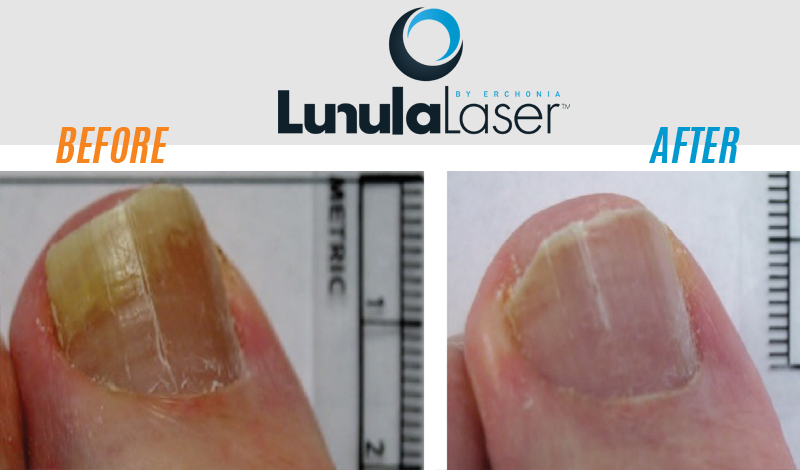
Toenails grow slowly, so visible changes generally take time. Even when treatment is successful, the damaged portion of the nail must grow out before a healthier-looking nail can replace it.
Your podiatrist may recommend follow-up care to monitor your progress and discuss whether additional treatment is needed.
Other Toenail Fungus Treatment Options
Laser treatment is one option, but it is not necessarily the best choice for every patient. Depending on your diagnosis and medical history, your podiatrist may discuss other appropriate treatments.
Topical Antifungal Medications
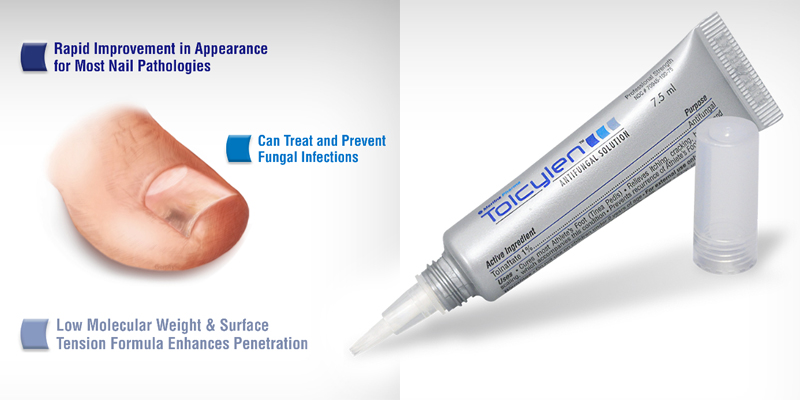
Topical antifungal medications are applied directly to the nail. They may be appropriate for certain infections, although treatment often requires consistent use over an extended period and effectiveness varies.
Oral Antifungal Medications
Prescription oral antifungal medications may be recommended for some patients. These medications can be effective for certain fungal nail infections, but they are not appropriate for everyone and may require consideration of medical history, medication interactions, and potential side effects.
Nail Care and Prevention
Your podiatrist may also recommend appropriate nail care, footwear guidance, and measures to reduce moisture or reinfection. Addressing associated athlete's foot may be important because fungal skin infections can contribute to recurring nail problems.
The recommended approach will depend on your individual condition and the services available at the practice.
Our Simple Plan for Healthier-Looking Nails
- 1. Schedule Your Evaluation
Tell us about your nail changes, how long they have been present, and any treatments you have already tried. - 2. Understand Your Options
Your podiatrist will evaluate your nails, discuss the diagnosis, and explain whether laser treatment or another approach may be appropriate. - 3. Follow Your Personalized Care Plan
Receive treatment and guidance designed to address your nail concerns and support long-term foot health.

How Can You Help Prevent Toenail Fungus From Returning?
Toenail fungus can recur, even after successful treatment. Taking steps to reduce fungal exposure and moisture may help lower the risk of reinfection.
Keep your feet clean and dry, change socks regularly, and wear shoes that allow appropriate ventilation. Use protective footwear in communal showers, locker rooms, and pool areas.
Avoid sharing nail clippers or other personal nail-care tools, and keep your toenails trimmed appropriately. If you develop athlete's foot, seek appropriate treatment to help reduce the risk of the infection spreading to your nails.
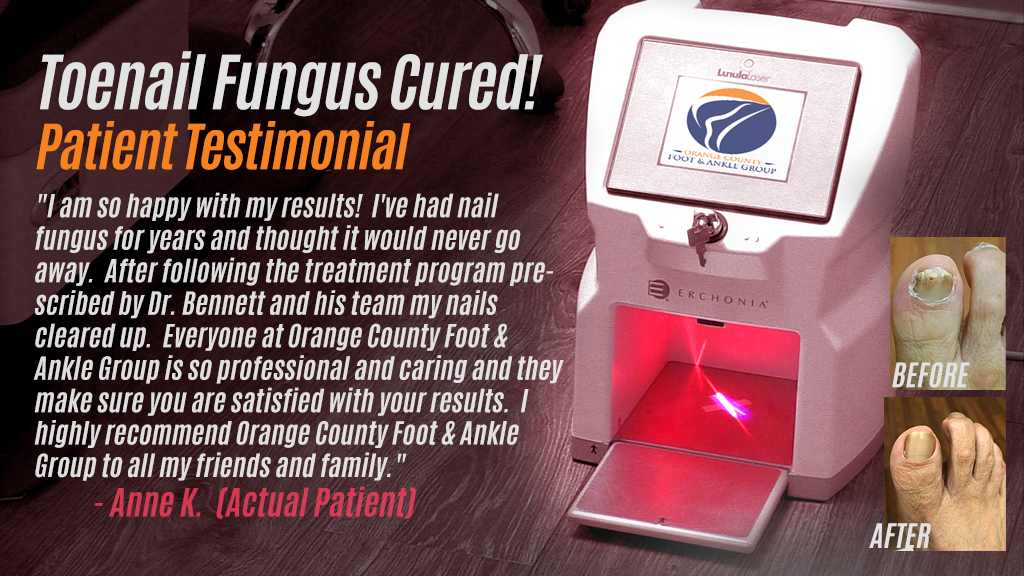
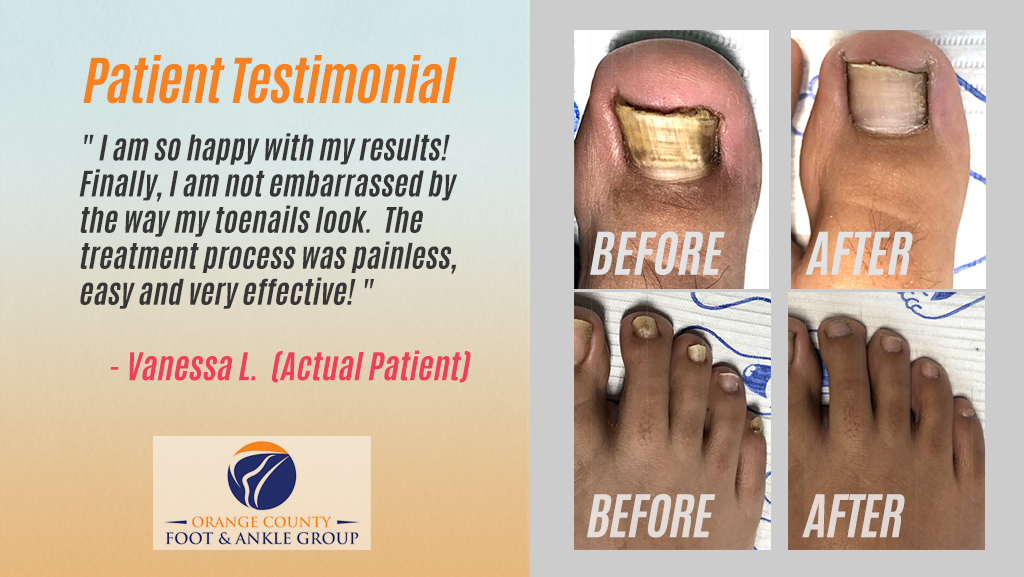
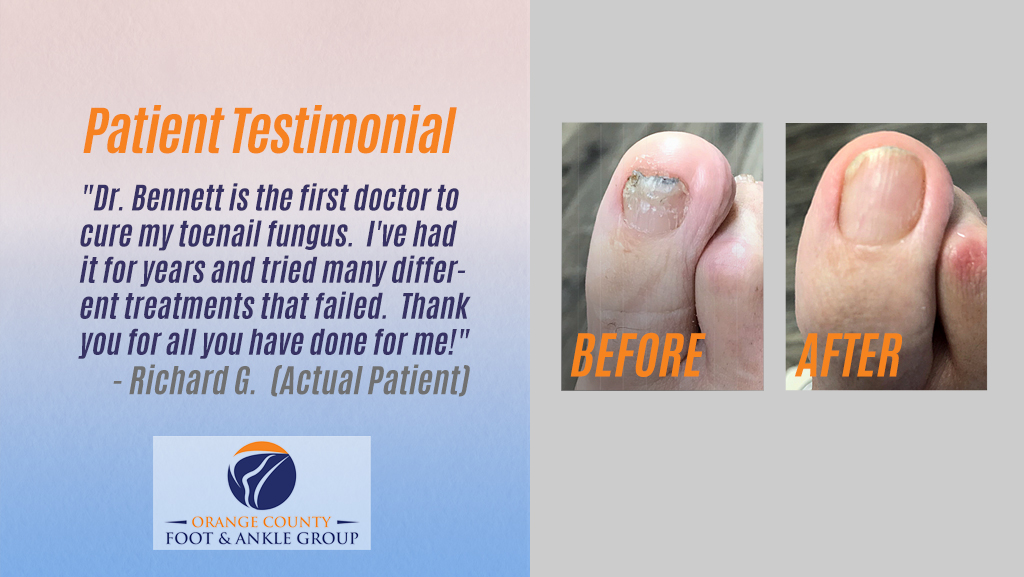
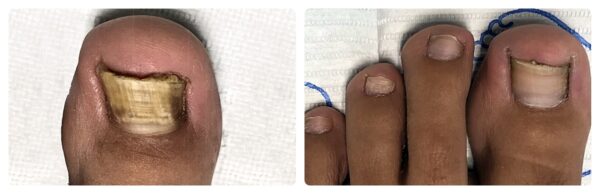
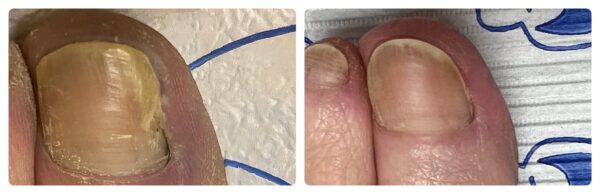
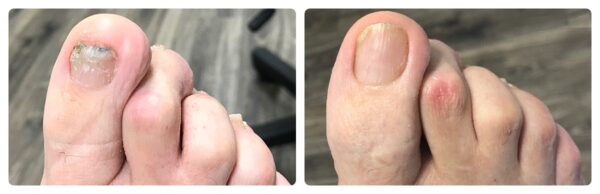
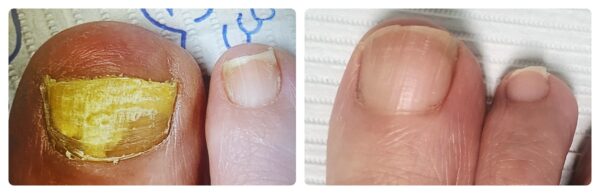
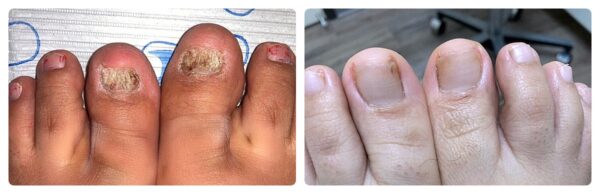
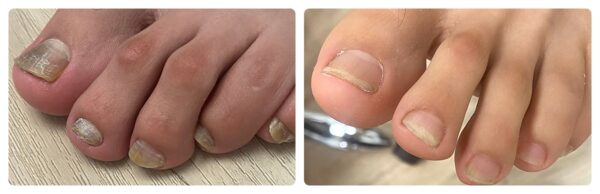
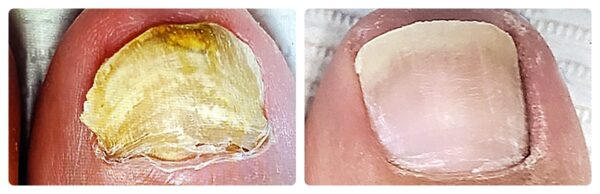
Before & After
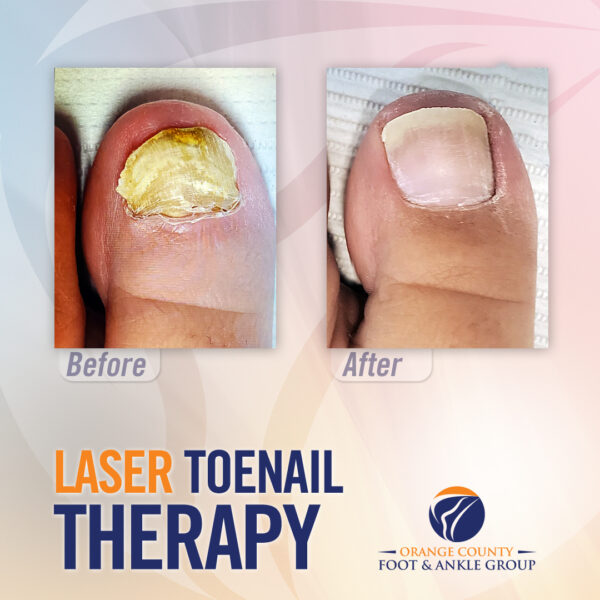
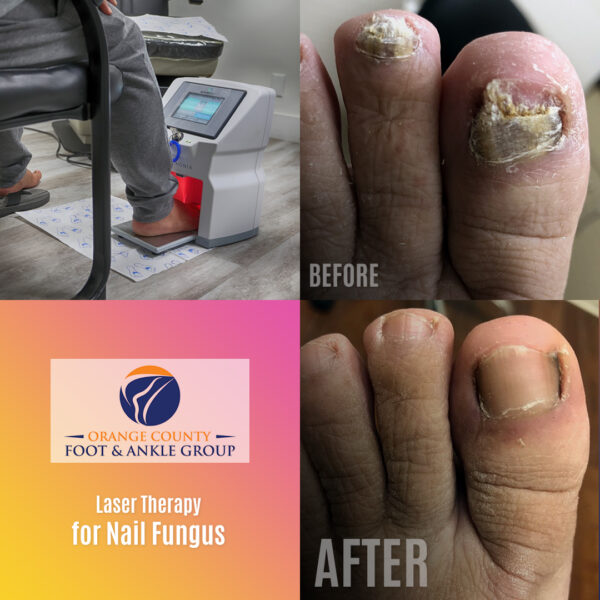
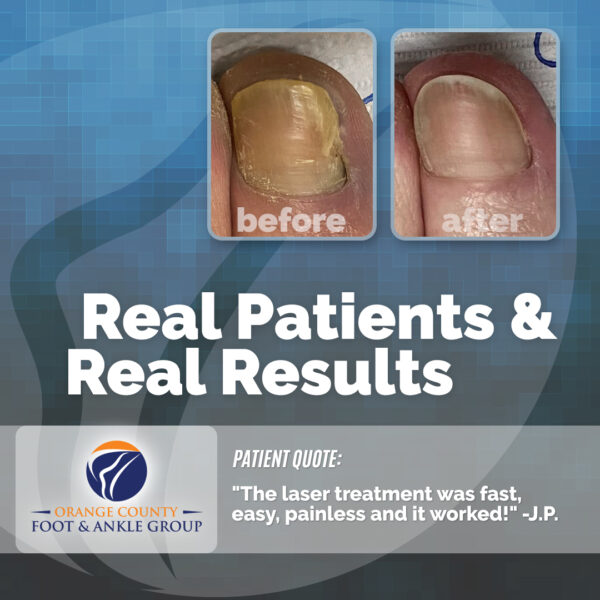
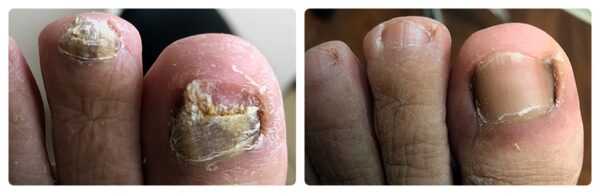
Use the slider to see the change in the nails after therapy:
Frequently Asked Questions About Laser Toenail Fungus Treatment
Laser treatment is not guaranteed to cure toenail fungus. The evidence and intended use vary by device, and some lasers are cleared for temporary improvement in nail appearance rather than elimination of the infection. Your podiatrist can explain the specific treatment offered and its expected benefits and limitations.
The experience varies depending on the laser system and individual sensitivity. Some patients may feel warmth or discomfort during treatment. Your podiatrist will explain what to expect and how the treatment is performed.
The number of sessions depends on the laser device, the severity of the nail changes, and the treatment protocol. Your podiatrist can provide a more specific recommendation after evaluating your nails.
Toenails grow slowly, so visible improvement may take several months. A damaged nail must grow out before a healthier-looking nail can replace it. The timeline varies based on nail growth, infection severity, and treatment response.
Yes. Fungal nail infections can recur after any treatment. Appropriate foot hygiene, moisture control, and treatment of associated athlete's foot may help reduce the risk of reinfection.
The best treatment depends on your diagnosis, medical history, and goals. Oral antifungal medications have established effectiveness for many fungal nail infections, while evidence for laser treatment varies by device. Your podiatrist can discuss the potential benefits and limitations of each option.
Depending on the device and your individual treatment plan, multiple affected nails may be treated. Your podiatrist will evaluate the extent of the infection and explain the recommended approach.
Yes. The fungi that cause toenail infections can spread through direct contact or contaminated surfaces and personal items. Maintaining good foot hygiene and avoiding shared nail-care tools may help reduce transmission.
Athlete's foot is a fungal infection of the skin, while toenail fungus affects the nail. The two conditions can occur together, but they may require different treatments. Laser nail fungus treatment should not be assumed to treat a fungal skin infection.
Take the Next Step Toward Healthier-Looking Nails
You do not have to keep guessing which products or treatments may help your toenails. Orange County Foot & Ankle Group can evaluate your nail concerns, explain your options, and help you choose a personalized approach.
Whether your nail changes are new or have been present for years, our team is here to help you understand your condition and take the next step toward healthier-looking nails.
Schedule an Appointment