What Is Achilles Tendonitis?
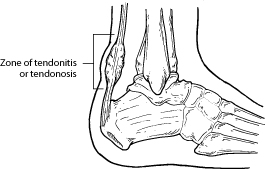
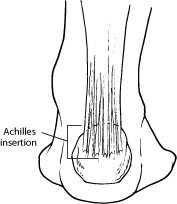
Achilles tendonitis refers to irritation of the Achilles tendon, the strong band of tissue that connects the calf muscles to the heel bone. This tendon plays an important role in walking, running, jumping, and pushing off the ground.
Achilles tendon pain may develop when the tendon is exposed to repetitive stress or a sudden increase in activity. Although the term tendonitis is commonly used, persistent Achilles tendon problems may involve degenerative changes rather than ongoing inflammation. These conditions are often described more broadly as Achilles tendinopathy.
The condition may affect the middle portion of the tendon or the area where it attaches to the heel bone. Identifying the location and nature of the problem helps guide appropriate treatment.
What Causes Achilles Tendonitis?
Achilles tendon pain often develops when the tendon is exposed to more stress than it can tolerate or recover from. This may happen gradually or after a sudden change in activity.
Common contributing factors include:
- Sudden increases in running distance, speed, or training intensity.
- Repetitive jumping or high-impact activity.
- Inadequate recovery between workouts.
- Tightness or limited flexibility in the calf muscles.
- Changes in footwear or training surfaces.
- Foot mechanics that place additional stress on the tendon.
- Previous Achilles or ankle injuries.
- Certain medical conditions or medications that may affect tendon health.
Not every case is related to sports. Achilles tendon problems can also develop in people who spend long periods standing, walking, or performing repetitive activities.
Signs and Symptoms of Achilles Tendonitis
Symptoms can vary depending on the location and severity of the tendon problem. Some patients experience mild stiffness that improves with movement, while others develop pain that limits their activities.
You may notice:
- Pain or tenderness at the back of the heel or along the Achilles tendon.
- Stiffness when taking your first steps in the morning.
- Discomfort during running, jumping, or climbing stairs.
- Pain that worsens after activity.
- Swelling or thickening along the tendon.
- Tenderness when touching the affected area.
- Reduced ability to push off the foot comfortably.
- Symptoms that become more persistent over time.
Pain at the back of the heel can also be caused by other conditions, including bursitis, heel bone problems, or an Achilles tendon tear. An accurate diagnosis is important before beginning treatment.
When Should You See a Podiatrist for Achilles Pain?
Occasional soreness may improve with rest and changes in activity, but persistent or recurring Achilles pain should be evaluated. Continuing to exercise through worsening symptoms may aggravate the tendon and delay recovery.
Consider scheduling an appointment if your pain lasts more than a few days, keeps returning, interferes with walking or exercise, or does not improve with appropriate activity modification.
Seek urgent medical attention if you experience a sudden popping sensation, severe pain, or an inability to push off the foot or stand on your toes after an injury. These symptoms may indicate an Achilles tendon rupture, which requires prompt evaluation.
Personalized Achilles Tendon Care at Orange County Foot & Ankle Group
Our podiatrists begin by discussing your symptoms, medical history, activity level, and how the pain is affecting your daily life. We will examine the affected area, assess tenderness and swelling, and evaluate the movement and function of your foot and ankle.
When clinically indicated, additional diagnostic testing may be recommended to help evaluate the tendon or rule out other conditions.
Once we understand the cause of your symptoms, we can develop a treatment plan based on your condition, lifestyle, and goals. Our approach focuses on addressing contributing factors and helping you return to activity safely rather than simply masking discomfort.
Achilles Tendonitis Treatment Options
Treatment depends on the location and severity of the tendon problem, how long symptoms have been present, and your individual needs. Many patients can improve with non-surgical care, while more complex or persistent conditions may require additional treatment.
Conservative Care and Activity Guidance
Many Achilles tendon problems can be managed without surgery. Your podiatrist may recommend appropriate activity modification, supportive footwear, and measures to reduce stress on the tendon while it recovers.
Your care plan may also include guidance on gradually returning to activity and avoiding movements that aggravate your symptoms. The appropriate approach depends on the type and severity of the tendon condition.
Custom Orthotics
When foot mechanics or abnormal pressure contribute to Achilles tendon stress, custom orthotics may help improve support and redistribute forces across the foot.
Orthotics may be useful for certain patients with recurring symptoms or related foot mechanics concerns. They are not necessary for every Achilles tendon problem, and your podiatrist will determine whether they are appropriate for your individual needs.
EBM Medical Products
For select patients, appropriate supplements or pain-relieving creams may be considered as part of a broader care plan. These products may help support symptom management when clinically appropriate, but they do not replace treatment of the underlying tendon condition.
Regenerative Medicine
Orange County Foot & Ankle Group offers regenerative medicine options, including PRP and amniotic-based treatments. Depending on the diagnosis and individual circumstances, certain therapies may be considered for select chronic tendon conditions.
Regenerative treatments are not appropriate for every patient, and evidence, risks, benefits, and regulatory considerations vary by product and indication. Our podiatrists can discuss whether an available option may be suitable for your condition and explain the potential benefits and limitations.
Foot & Ankle Surgery
Most Achilles tendonitis does not require surgery. However, surgical treatment may be considered in select cases when symptoms remain severe despite appropriate non-surgical care or when a significant structural tendon problem is present.
The specific approach depends on the diagnosis, location of the tendon problem, and individual patient factors. Your podiatrist will explain the available options, potential risks and benefits, and what recovery may involve.
Our Approach to Getting You Back to Activity
- 1. Schedule Your Evaluation
Tell us where you are experiencing pain, how long it has been present, and which activities are affected. - 2. Understand the Cause
Your podiatrist will evaluate your Achilles tendon, identify contributing factors, and explain the treatment options that make sense for you. - 3. Follow a Personalized Recovery Plan
Receive care and guidance designed to reduce discomfort, support tendon recovery, and help you return to the activities you enjoy safely.
How Can You Help Prevent Achilles Tendon Problems?
Not every Achilles tendon injury can be prevented, but certain habits may help reduce your risk.
Increase training intensity gradually rather than making sudden changes in distance, speed, or frequency. Allow adequate recovery between workouts, and wear footwear appropriate for your activities.
Pay attention to persistent stiffness or pain, especially when it begins to affect your movement. If you have recurring Achilles symptoms, a podiatrist can evaluate whether foot mechanics, training habits, or another underlying condition may be contributing.
Frequently Asked Questions About Achilles Tendonitis
Achilles tendonitis is a commonly used term for irritation of the Achilles tendon. Tendinopathy is a broader term that includes persistent tendon problems, which may involve degenerative changes rather than ongoing inflammation. Your podiatrist can help determine the nature of your condition.
Achilles tendonitis typically causes pain at the back of the heel or along the tendon above the heel bone. The location may vary depending on whether the problem affects the middle portion of the tendon or its attachment to the heel.
Morning stiffness and pain can occur with Achilles tendinopathy because the tendon may feel stiff after a period of rest. Symptoms may improve as you begin moving, although they can return or worsen with activity.
Mild symptoms may improve with appropriate rest and activity modification, but persistent tendon problems often require a structured treatment plan. Continuing to overload the tendon can delay recovery, so recurring or worsening symptoms should be evaluated.
Recovery depends on the severity and duration of the condition, the location of the tendon problem, and the treatment plan. Some mild cases improve within weeks, while chronic tendinopathy may require several months of care. Your podiatrist can provide a more realistic timeline after evaluating your condition.
Running through persistent or worsening Achilles pain may aggravate the condition. It is important to modify activities that increase symptoms and seek an evaluation if pain continues. Your podiatrist can help determine when and how to return to running safely.
Orthotics may help certain patients when foot mechanics contribute to tendon stress. They can improve support and redistribute forces, but they are not necessary for every Achilles tendon condition.
Most cases do not require surgery. Surgical treatment may be considered when symptoms remain severe despite appropriate non-surgical care or when a significant structural problem is present.
An Achilles rupture may cause a sudden popping sensation, severe pain, weakness, or difficulty pushing off the foot. Some patients describe feeling as though they were struck in the back of the leg. If you suspect a rupture, seek urgent medical evaluation.
Take the First Step Toward Achilles Pain Relief
You do not have to keep adjusting your activities around pain at the back of your heel. Whether your symptoms are new, recurring, or have been limiting you for months, Orange County Foot & Ankle Group can help you understand the cause and explore your treatment options.
Our team is committed to providing personalized foot and ankle care that helps you recover safely and return to the activities that matter to you.
Schedule an Appointment