What Is Arch Pain?
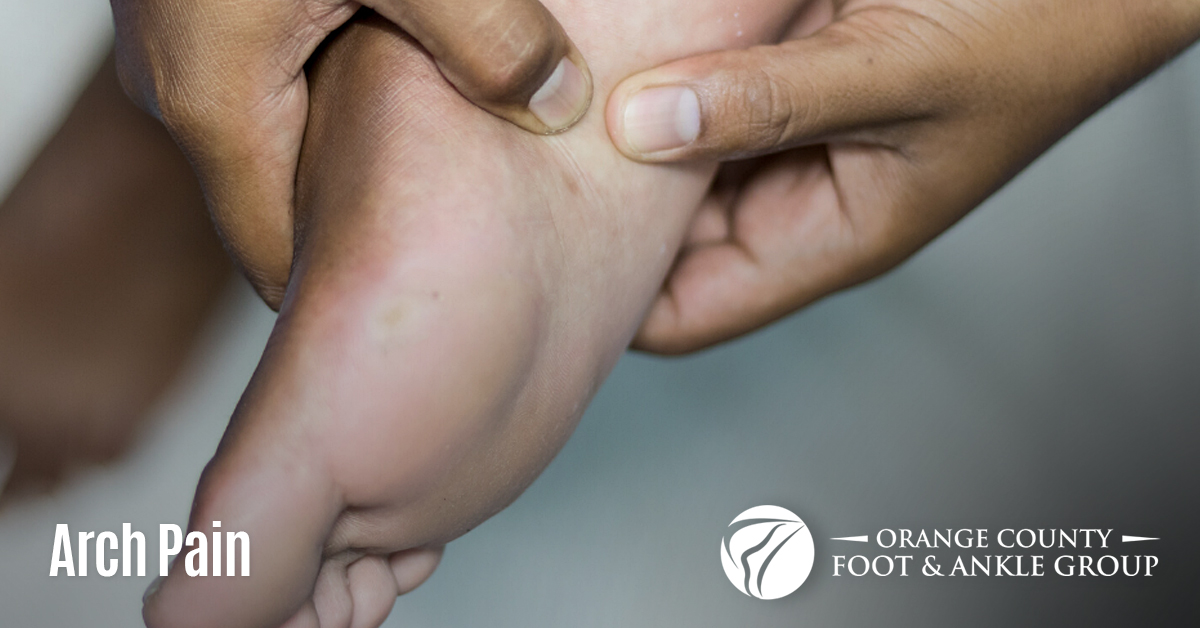
Arch pain refers to discomfort in the curved area along the bottom of the foot between the heel and the ball of the foot. The arch is supported by bones, ligaments, tendons, and other soft tissues that work together to absorb impact, distribute weight, and support movement.
Pain may develop when these structures become irritated, injured, or exposed to excessive stress. Some patients experience a sharp or stabbing sensation, while others notice aching, burning, tightness, or fatigue through the arch.
Arch pain is a symptom rather than a diagnosis. Identifying the underlying cause is important because different conditions may require different treatment approaches.
What Causes Arch Pain?
Arch pain can develop from a variety of conditions affecting the foot's soft tissues, bones, and mechanics. Sometimes the cause is related to repetitive activity, while other cases involve structural changes or an injury.
Common causes include:
Plantar Fasciitis
The plantar fascia is a thick band of tissue that supports the arch and connects the heel to the front of the foot. Irritation of this tissue can cause pain through the arch, beneath the heel, or both. Symptoms are often more noticeable with the first steps after rest.
Flat Feet and Foot Mechanics
Flat feet or other changes in foot mechanics may place additional stress on the structures supporting the arch. Some patients experience fatigue, aching, or discomfort during prolonged standing or activity.
Not everyone with flat feet develops arch pain, and the presence of a low arch does not automatically mean treatment is necessary.
Tendon Irritation
Tendons help support the arch and control foot movement. Irritation or injury to these structures may cause pain along the inside of the foot or ankle and can sometimes be associated with changes in arch height or foot function.
Stress Fractures
Repetitive loading can cause small cracks in certain foot bones. Stress fractures may produce localized pain that worsens with activity and improves with rest, particularly after an increase in training or physical activity.
Footwear and Overuse
Shoes that do not provide appropriate support, sudden increases in activity, or prolonged periods of standing may contribute to arch discomfort. These factors can place additional stress on the foot, especially when an underlying condition is present.
Nerve-Related Conditions
Certain nerve conditions can cause burning, tingling, numbness, or radiating discomfort through the arch. These symptoms may require a different treatment approach than mechanical or soft-tissue pain.
Signs and Symptoms of Arch Pain
Arch pain can vary depending on the underlying cause. Some patients experience discomfort only during activity, while others notice symptoms after rest or throughout the day.
You may notice:
- Aching, sharp, or burning pain through the arch.
- Discomfort when walking, running, or standing.
- Pain with the first steps in the morning.
- Tenderness along the bottom or inside of the foot.
- Foot fatigue after prolonged activity.
- Swelling or stiffness in certain cases.
- Changes in the way you walk to avoid discomfort.
- Pain that becomes more noticeable with increased activity.
If you have numbness, tingling, significant swelling, or pain following an injury, an evaluation can help determine whether another condition is contributing to your symptoms.
When Should You See a Podiatrist for Arch Pain?
Occasional soreness may improve with rest or changes in activity, but persistent or recurring arch pain should not be ignored. Continuing to walk or exercise through certain types of pain may aggravate the underlying condition.
Consider scheduling an appointment if your arch pain lasts more than a few days, keeps returning, interferes with daily activities, or does not improve with appropriate self-care.
Seek prompt medical attention if you experience severe pain after an injury, an inability to bear weight, significant swelling, or a sudden change in foot shape. Patients with diabetes, reduced sensation, or circulation problems should also seek timely evaluation for new or concerning foot symptoms.
Personalized Arch Pain Care at Orange County Foot & Ankle Group
Our podiatrists begin by discussing your symptoms, medical history, activity level, footwear, and how arch pain is affecting your daily life. We will examine your foot and ankle, assess areas of tenderness, and evaluate how your foot moves and supports your weight.
When clinically indicated, additional diagnostic testing may be recommended to help identify a fracture, tendon injury, or another condition that may be contributing to your pain.
Once we understand the cause, we can develop a treatment plan based on your condition, lifestyle, and goals. Our approach focuses on addressing the source of discomfort rather than simply masking symptoms.
Arch Pain Treatment Options
Treatment depends on the cause and severity of your arch pain. Our team may recommend a combination of approaches to reduce discomfort, improve support, and address contributing factors.
Conservative Care and Activity Guidance
Many causes of arch pain can be managed without surgery. Your podiatrist may recommend appropriate activity modification, supportive footwear, and other measures to reduce stress on the affected structures.
Your care plan may also include guidance on gradually returning to activity and avoiding movements that aggravate your symptoms.
Custom Orthotics
Custom orthotics may be recommended when foot mechanics or abnormal pressure contribute to arch pain. They can help improve support, redistribute forces, and reduce stress on certain areas of the foot.
Orthotics may be particularly useful for select patients with flat feet, plantar fasciitis, or recurring discomfort associated with foot mechanics. Your podiatrist will determine whether they are appropriate based on your examination and individual needs.
EBM Medical Products
For select patients, appropriate supplements or pain-relieving creams may be considered as part of a broader care plan. These products are selected according to the patient's condition and medical history and are not a substitute for appropriate evaluation or treatment of an underlying injury.
Regenerative Medicine
Orange County Foot & Ankle Group offers regenerative medicine options, including PRP and amniotic-based treatments. Depending on the diagnosis and individual circumstances, certain therapies may be considered for select chronic soft-tissue conditions.
Regenerative treatments are not appropriate for every patient, and evidence, risks, benefits, and regulatory considerations vary by product and indication. Our podiatrists can discuss whether an available option may be suitable for your condition and explain the potential benefits and limitations.
Foot & Ankle Surgery
Most arch pain does not require surgery. However, when symptoms are severe, a structural problem is present, or appropriate conservative care has not provided sufficient relief, surgical treatment may be considered in select cases.
Your podiatrist will explain whether surgery is appropriate, the available options, and what recovery may involve.
Our Approach to Getting You Back on Your Feet
- 1. Schedule Your Evaluation
Tell us where you are experiencing pain, how long it has been present, and how it is affecting your daily activities. - 2. Understand the Cause
Your podiatrist will evaluate your foot, identify the factors contributing to your discomfort, and explain the treatment options that make sense for you. - 3. Follow a Personalized Care Plan
Receive care and guidance designed to reduce discomfort, improve function, and help you return to the activities you enjoy.
How Can You Help Prevent Arch Pain?
Not every cause of arch pain can be prevented, but certain habits may help reduce your risk and support long-term foot health.
Wear shoes that fit properly and provide appropriate support for your activities. Increase exercise intensity gradually, allow adequate recovery, and pay attention to pain that persists or changes the way you move.
If you have recurring arch discomfort, a podiatrist can evaluate whether foot mechanics, footwear, or an underlying condition may be contributing. Addressing these factors early may help prevent symptoms from becoming more limiting.
Frequently Asked Questions About Arch Pain
Plantar fasciitis is a common cause of pain through the arch, but flat feet, tendon problems, stress fractures, and other conditions can also contribute. The location and pattern of your symptoms can help guide the diagnosis, but an examination is often needed to determine the cause.
Arch pain while walking may be related to plantar fascia irritation, tendon problems, foot mechanics, or other conditions. Repeated pressure and movement can aggravate affected tissues. Persistent pain should be evaluated to identify the underlying cause.
Yes. Flat feet can contribute to arch discomfort in some patients by changing how forces are distributed through the foot. However, many people with flat feet have no symptoms. Treatment is generally based on pain and functional concerns rather than arch shape alone.
Custom orthotics may help certain patients by improving support and redistributing pressure. They can be useful when foot mechanics contribute to symptoms, but they are not necessary for every cause of arch pain.
No. Plantar fasciitis is one possible cause of arch pain, but discomfort in the arch can also result from tendon injuries, stress fractures, nerve conditions, or other problems. An accurate diagnosis helps determine the appropriate treatment.
Recovery depends on the underlying condition, severity of symptoms, and treatment plan. Some mild cases improve relatively quickly, while chronic or more complex conditions may require a longer period of care. Your podiatrist can provide a more realistic timeline after evaluating your foot.
Continuing to exercise through persistent or worsening pain may aggravate certain conditions. If pain is changing your movement or limiting your activity, reduce aggravating activities and seek an evaluation. Your podiatrist can help determine when it is appropriate to return to exercise.
Severe pain after an injury, an inability to bear weight, significant swelling, or a sudden change in foot shape may indicate a more serious condition. Localized pain that worsens with activity can also be associated with a stress fracture and should be evaluated.
Take the First Step Toward Arch Pain Relief
You do not have to keep adjusting your activities around foot pain. Whether your arch discomfort is new, recurring, or has been limiting you for months, Orange County Foot & Ankle Group can help you understand the cause and explore your treatment options.
Our team is committed to providing personalized foot and ankle care that helps you move more comfortably and return to the activities that matter to you.
Schedule an Appointment