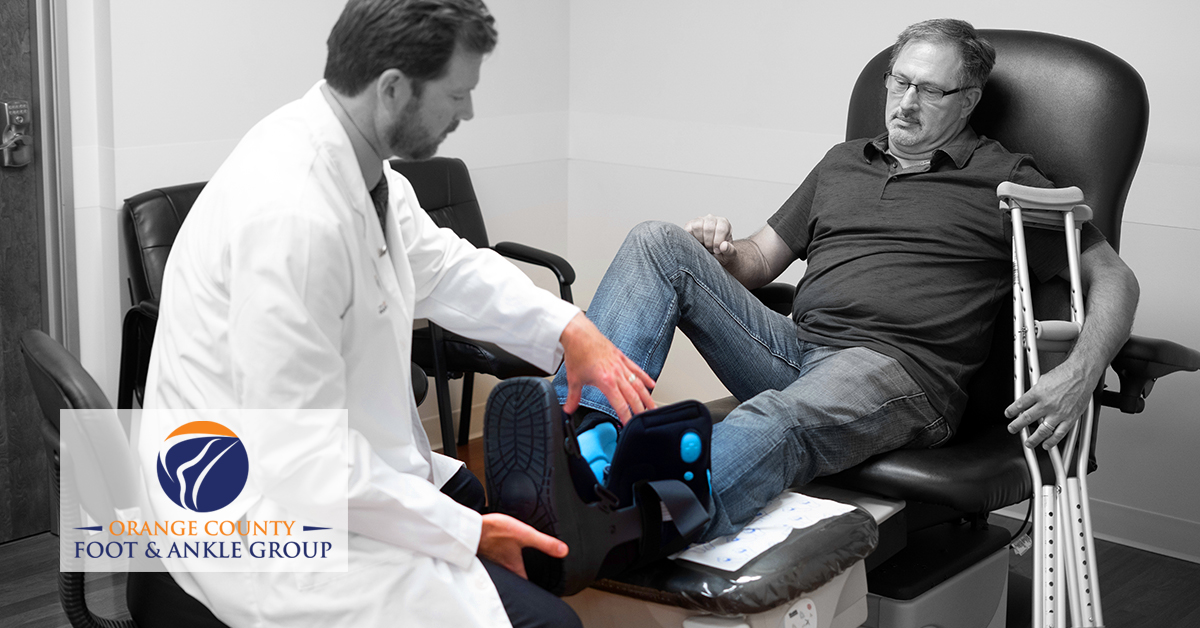
What Is Foot & Ankle Surgery?
Foot and ankle surgery includes procedures used to address certain injuries, deformities, and conditions affecting the bones, joints, tendons, ligaments, and other structures of the foot and ankle.
The purpose of surgery depends on the condition being treated. A procedure may be recommended to correct a structural deformity, stabilize a fracture, address damaged tissue, or improve function when appropriate non-surgical care has not provided sufficient relief.
Not every foot or ankle problem requires surgery. Many conditions can be managed conservatively, and the decision to consider an operation should be based on your diagnosis, symptoms, examination findings, and individual circumstances.
When Might Foot or Ankle Surgery Be Recommended?
Surgery may be considered when a condition causes significant pain or functional limitations, when conservative treatment has not been effective, or when the nature of an injury requires surgical intervention.
Your podiatrist may discuss surgical options when:
- Pain continues to interfere with daily activities despite appropriate care.
- A structural deformity causes significant discomfort or difficulty with footwear.
- A fracture is displaced, unstable, or otherwise requires surgical treatment.
- A tendon or other soft-tissue injury involves significant structural damage.
- A condition is progressing or affecting foot function.
- A serious diabetic foot complication requires surgical evaluation.
The decision is individualized. A visible deformity or an abnormal imaging finding alone does not necessarily mean surgery is required.
Conditions That May Be Treated With Foot & Ankle Surgery
Orange County Foot & Ankle Group evaluates a range of conditions that may require surgical treatment in select cases.
Bunions
Bunion surgery may be considered when a structural deformity causes persistent pain, difficulty wearing shoes, or limitations in daily activities despite appropriate conservative care. The surgical approach depends on the severity of the deformity, joint condition, and individual patient factors.
Foot & Ankle Fractures
Certain fractures require surgery to restore appropriate alignment and stability. This may include displaced, unstable, or complex injuries that cannot be adequately managed with non-surgical care.

Sports Injuries
Some sports-related injuries involve significant damage to bones, tendons, ligaments, or other structures. Surgery may be considered when the injury requires structural repair or when appropriate conservative treatment has not provided sufficient relief.
Flat Feet
In select cases, surgery may be considered for painful flatfoot deformities associated with significant structural changes or tendon problems. The recommended approach depends on the cause, flexibility, and severity of the condition.
Achilles Tendon Problems
Surgical treatment may be considered for certain severe or persistent Achilles tendon conditions or significant structural injuries. The decision depends on the diagnosis, tendon condition, and response to previous treatment.

Persistent Heel or Arch Pain
Most heel and arch pain can be managed without surgery. However, certain underlying conditions may require surgical treatment when symptoms remain severe or a structural problem is present.
Ingrown Toenails
When an ingrown toenail is severe, repeatedly returns, or does not respond to conservative care, a surgical approach may be considered to address the portion of the nail causing the problem.
Diabetic Foot Complications
Certain serious diabetic foot complications may require surgical evaluation, particularly when there is significant infection, damaged tissue, or an underlying structural problem. Treatment is individualized and may involve coordination with other healthcare providers.
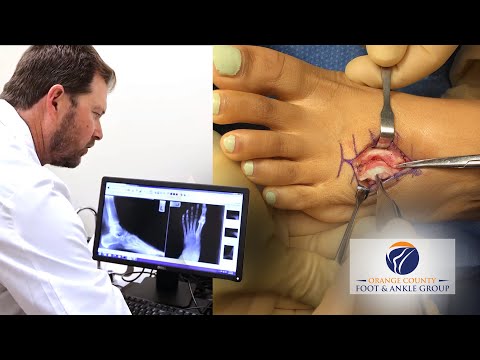
Our Approach to Surgical Care
We believe patients should understand their diagnosis and treatment options before making a decision about surgery. Our podiatrists take the time to explain why a procedure may be recommended, what alternatives may be available, and what recovery could involve.
A Thorough Evaluation
Your consultation begins with a review of your symptoms, medical history, previous treatments, and personal goals. Your podiatrist will examine the affected area and may recommend diagnostic imaging or additional testing when clinically indicated.

A Personalized Treatment Recommendation
Surgery is not automatically the first step. We will discuss appropriate non-surgical options when they are available and explain when a surgical approach may offer a meaningful benefit.
If surgery is recommended, your podiatrist will review the proposed procedure, potential risks and benefits, expected recovery, and any alternatives that may be appropriate.
Care Focused on Your Recovery
Recovery is an important part of the surgical process. Your care plan will include guidance on protecting the surgical area, activity restrictions, follow-up appointments, and gradually returning to normal activities when appropriate.
Our goal is to help you understand what to expect and feel supported throughout your care.
What Happens During a Foot & Ankle Surgery Consultation?
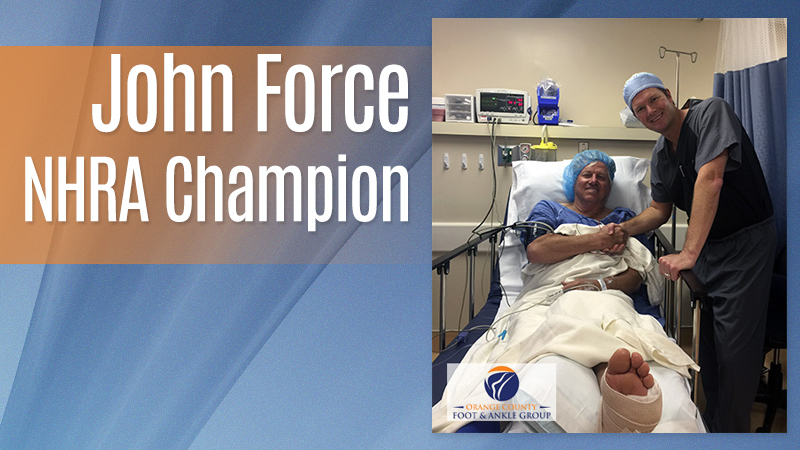
A surgical consultation is an opportunity to learn about your condition and determine whether surgery is the right option for you. It does not mean you are committing to a procedure.
Your podiatrist will review your symptoms, examine your foot or ankle, and discuss any previous treatments. Diagnostic imaging or additional testing may be recommended to better understand the condition.
If surgery is being considered, we will explain the recommended approach, why it may be appropriate, and what the recovery process could involve. You will have the opportunity to ask questions and discuss your concerns before making a decision.

What Can You Expect During Recovery?
Recovery varies considerably depending on the procedure, the condition being treated, and your individual health. Some procedures allow a relatively quick return to certain activities, while others require a longer period of protection, limited weight-bearing, or rehabilitation.
Your podiatrist will provide specific instructions based on your surgery. These may include guidance on wound care, activity restrictions, footwear, follow-up appointments, and when it is appropriate to return to work, exercise, or other activities.
It is important to follow your recovery plan even if you begin feeling better. Returning to activity too soon can increase the risk of complications or interfere with healing.
Our Simple Plan for Moving Forward
- 1. Schedule Your Consultation
Tell us about your symptoms, previous treatments, and how your foot or ankle condition is affecting your daily life. - 2. Understand Your Options
Your podiatrist will evaluate your condition, explain the available treatment options, and discuss whether surgery may be appropriate. - 3. Move Forward With a Personalized Plan
Receive clear guidance and care designed around your condition, goals, and recovery needs.
Questions to Ask Before Foot & Ankle Surgery
If surgery is being considered, it is important to feel comfortable asking questions and understanding your options. Your podiatrist can help you discuss:
- What is causing my symptoms?
- Why is surgery being recommended?
- Are there appropriate non-surgical alternatives?
- What are the potential benefits and risks?
- What will recovery involve?
- How long might I need to limit weight-bearing or activity?
- When can I expect to return to work or exercise?
- What happens if I decide not to have surgery?
The answers will depend on your diagnosis and the specific procedure being considered.
Frequently Asked Questions About Foot & Ankle Surgery
Surgery may be considered when a condition causes significant pain or functional limitations, when appropriate conservative care has not provided sufficient relief, or when an injury requires surgical treatment. A podiatrist can evaluate your condition and explain whether surgery is appropriate.
No. Many bunions can be managed without surgery, and some cause little or no discomfort. Surgery is generally considered when pain or functional limitations persist despite appropriate conservative care.
Many stable fractures can heal with non-surgical care. However, certain displaced, unstable, or complex fractures may require surgery to restore appropriate alignment and stability.
Discomfort after surgery varies depending on the procedure and individual patient factors. Your surgical team will discuss appropriate pain management and provide instructions to help you manage discomfort during recovery.
Recovery depends on the procedure, the severity of the condition, and your overall health. Some procedures require only a limited period of activity modification, while others may involve several weeks or months of recovery. Your podiatrist will provide a more specific timeline based on your treatment.
Weight-bearing instructions vary by procedure. Some patients may be able to walk with appropriate protection, while others need to limit or avoid weight-bearing for a period of time. Your podiatrist will explain what is safe for your specific surgery.
Many conditions have non-surgical treatment options, including appropriate activity modification, footwear changes, orthotics, and other condition-specific care. Your podiatrist will explain which alternatives may be appropriate and when surgery should be considered.
All surgical procedures carry risks, which may include infection, bleeding, nerve injury, delayed healing, blood clots, persistent pain, or the need for additional treatment. The specific risks depend on the procedure and your individual health. Your podiatrist will discuss these in detail before surgery.
Yes. A second opinion can help you better understand your diagnosis, treatment options, and whether surgery is appropriate. Our team can provide an evaluation and discuss the options available for your condition.
Take the Next Step With Confidence
You do not have to make decisions about foot or ankle surgery without understanding your options. Whether you are dealing with persistent pain, a structural deformity, or an injury that may require surgical treatment, Orange County Foot & Ankle Group is here to help.
Our podiatrists provide thoughtful, personalized care focused on helping you understand your condition and choose the path that makes sense for your health and goals.
Schedule a Surgical Consultation