What Is Athlete's Foot?
Athlete's foot, also known as tinea pedis, is a fungal infection that affects the skin of the feet. It is caused by fungi that thrive in warm, moist environments and can spread through direct contact or contaminated surfaces.
The infection commonly develops between the toes, but it can also affect the soles, sides, or other areas of the feet. Athlete's foot can occur in people of all ages and activity levels. You do not have to be an athlete to develop it.
Although athlete's foot is usually treatable, symptoms can resemble other skin conditions. An accurate diagnosis is important when the infection is persistent, recurring, or not responding to appropriate care.
What Causes Athlete's Foot?
Athlete's foot develops when certain fungi grow on the skin. These organisms can be picked up from contaminated floors, shared surfaces, footwear, or direct contact with infected skin.
Factors that may increase your risk include:
- Walking barefoot in communal showers, locker rooms, or pool areas.
- Wearing damp socks or shoes for extended periods.
- Excessive foot sweating.
- Wearing footwear that traps moisture.
- Sharing towels, socks, or shoes.
- Having a previous fungal infection.
- Small breaks in the skin that make it easier for infection to develop.
The infection can spread from one foot to the other and may also spread to the toenails or other parts of the body.
Signs and Symptoms of Athlete's Foot
Athlete's foot can appear differently depending on the type and location of the infection. Some patients experience mild irritation, while others develop more extensive skin changes.
Common symptoms include:
- Itching or burning, especially between the toes.
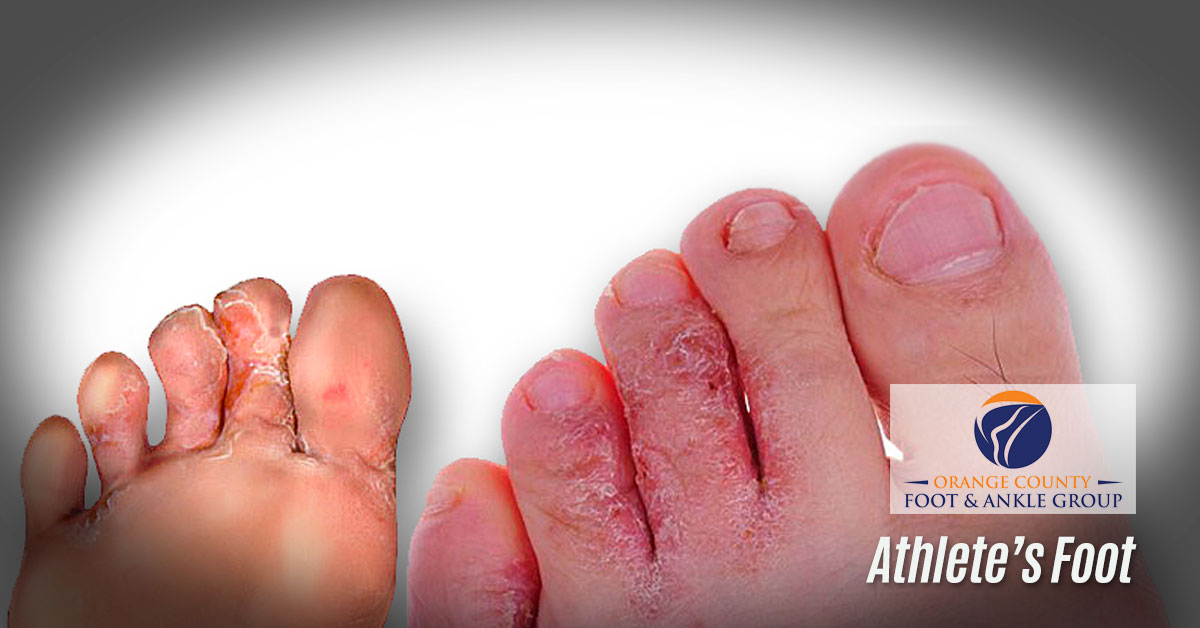
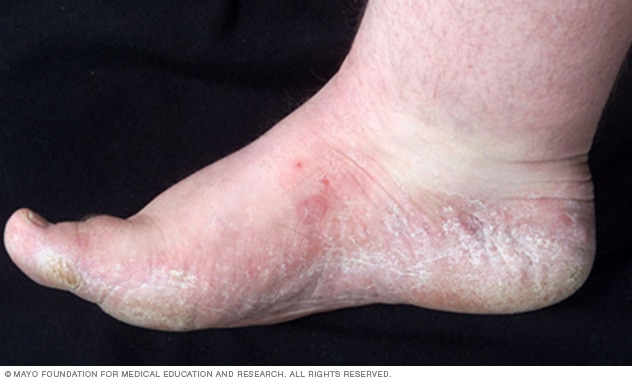
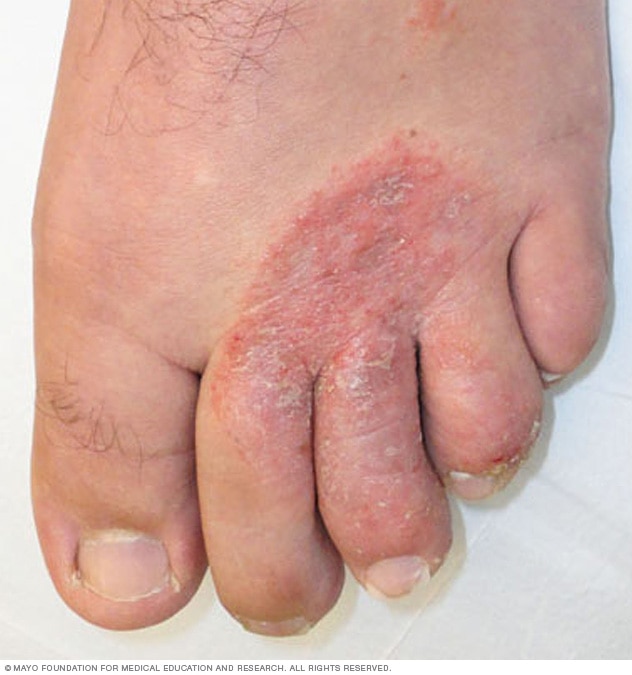
- Peeling, scaling, or flaking skin.
- Redness or irritation.
- Cracked or softened skin between the toes.
- Dry, scaly skin along the soles or sides of the feet.
- Small blisters in some cases.
- An unpleasant odor associated with moisture or skin breakdown.
Athlete's foot can sometimes be mistaken for eczema, psoriasis, contact dermatitis, or other skin conditions. If symptoms are not improving, a podiatrist can help determine the cause.
When Should You See a Podiatrist for Athlete's Foot?
Mild athlete's foot may respond to appropriate over-the-counter antifungal treatment, but persistent or recurring symptoms should be evaluated. A professional examination can help confirm whether a fungal infection is present and whether another condition may be contributing.
Schedule an appointment if your symptoms are spreading, repeatedly returning, causing significant discomfort, or not improving with appropriate treatment.
Seek prompt medical attention if you develop increasing redness, swelling, warmth, drainage, or significant pain, as these may indicate a secondary bacterial infection. Patients with diabetes, poor circulation, reduced sensation, or a weakened immune system should seek professional guidance rather than attempting to manage a concerning foot infection on their own.
Personalized Athlete's Foot Care at Orange County Foot & Ankle Group
Our podiatrists begin by examining the affected skin and discussing your symptoms, medical history, and any previous treatments. We will assess the appearance and distribution of the skin changes and consider whether other conditions may be causing similar symptoms.
When clinically indicated, additional testing may be recommended to help confirm a fungal infection or rule out other causes.
Once we understand the problem, we can recommend an appropriate care plan and provide guidance on reducing moisture, protecting the skin, and preventing the infection from returning.
Athlete's Foot Treatment Options
Treatment depends on the severity and extent of the infection, your medical history, and whether other skin or nail concerns are present.
Antifungal Treatment Guidance
Athlete's foot is generally treated with antifungal medication. Your podiatrist can recommend an appropriate treatment approach based on your condition and determine whether additional medical care is needed for persistent or more extensive infections.
It is important to use antifungal products as directed and complete the recommended course of treatment, even if symptoms begin to improve.
Skin Care and Moisture Management
Keeping the feet clean and dry can help create an environment that is less favorable for fungal growth. Your podiatrist may recommend changes in footwear, sock habits, and daily foot care to help reduce moisture and irritation.
If the skin is cracked or damaged, your care plan may also include guidance on protecting the affected area and preventing further breakdown.
Evaluation of Associated Toenail Changes
Athlete's foot and fungal toenail infections can occur together. If you have thickened, discolored, or brittle toenails, our team can evaluate whether a nail infection may also be present.
Orange County Foot & Ankle Group offers Laser Nail Fungus treatment for appropriate nail conditions. This is a separate treatment and is not presented as a treatment for athlete's foot affecting the skin.
Learn More About Laser Nail Fungus Treatment
Our Approach to Healthier, More Comfortable Feet
- 1. Schedule Your Evaluation
Tell us about your symptoms, how long they have been present, and whether you have tried any treatments. - 2. Identify the Cause
Your podiatrist will examine your feet, determine whether a fungal infection or another skin condition may be responsible, and explain your options. - 3. Follow a Personalized Care Plan
Receive appropriate treatment guidance and practical recommendations to help relieve symptoms and reduce the likelihood of recurrence.
How Can You Help Prevent Athlete's Foot?
Athlete's foot can return, especially when moisture and repeated exposure continue to create favorable conditions for fungal growth. A few consistent habits can help reduce your risk.
Wash your feet regularly and dry them carefully, particularly between the toes. Change socks when they become damp, and choose footwear that allows your feet to breathe. Allow shoes to dry between uses when possible.
Wear sandals or shower shoes in communal showers, locker rooms, and pool areas. Avoid sharing towels, socks, or shoes, and wash items that come into contact with infected skin according to their care instructions.
If you have recurring athlete's foot, a podiatrist can help identify factors that may be contributing and recommend a prevention plan.
Frequently Asked Questions About Athlete's Foot
Athlete's foot often causes peeling, scaling, redness, or cracked skin, particularly between the toes. It may also appear as dry, scaly skin along the soles or sides of the feet. Because other skin conditions can look similar, an examination may be needed to confirm the diagnosis.
Yes. Athlete's foot can spread through direct contact with infected skin or contaminated surfaces such as communal shower floors, towels, socks, and footwear. Taking precautions can help reduce the risk of spreading the infection.
Athlete's foot may persist or return without appropriate treatment. Antifungal medication is generally needed to address the infection, and moisture management can help reduce the likelihood of recurrence.
Treatment time depends on the type and severity of the infection and the medication used. Some cases improve within a few weeks, while more persistent infections may require a longer course of care. Follow the recommended treatment instructions and seek an evaluation if symptoms are not improving.
Yes. The fungi that cause athlete's foot can also infect toenails, leading to thickening, discoloration, or brittleness. Nail fungus often requires a different treatment approach than a skin infection.
No. Athlete's foot is a fungal infection of the skin, while toenail fungus affects the nail. They can occur together, but the treatment approach may differ depending on the location and severity of the infection.
Laser Nail Fungus treatment is intended for appropriate nail conditions and should not be assumed to treat fungal infections of the skin. Athlete's foot generally requires antifungal treatment and appropriate skin care.
Recurring infections may be related to moisture, repeated exposure, incomplete treatment, contaminated footwear, or an associated nail infection. A podiatrist can help identify contributing factors and recommend appropriate care.
Athlete's foot deserves prompt attention if you develop spreading redness, swelling, drainage, significant pain, or signs of a secondary infection. Patients with diabetes, poor circulation, or weakened immune systems should be especially cautious about new or worsening foot skin problems.
Take the Next Step Toward Relief
You do not have to keep dealing with itchy, irritated, or peeling feet. Orange County Foot & Ankle Group can help you understand the cause of your symptoms and recommend care tailored to your needs.
Whether your athlete's foot is new, persistent, or recurring, our team is here to help you move forward with confidence.
Schedule an Appointment