What Is an Ingrown Toenail?
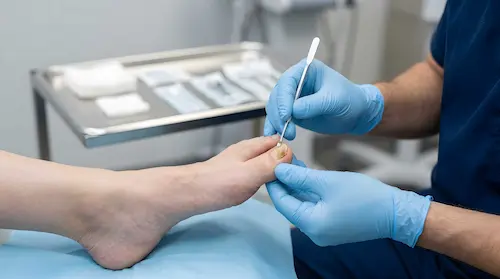
An ingrown toenail occurs when the edge or corner of a toenail grows into or presses against the surrounding skin. This most commonly affects the big toe, although it can happen to other toenails as well.
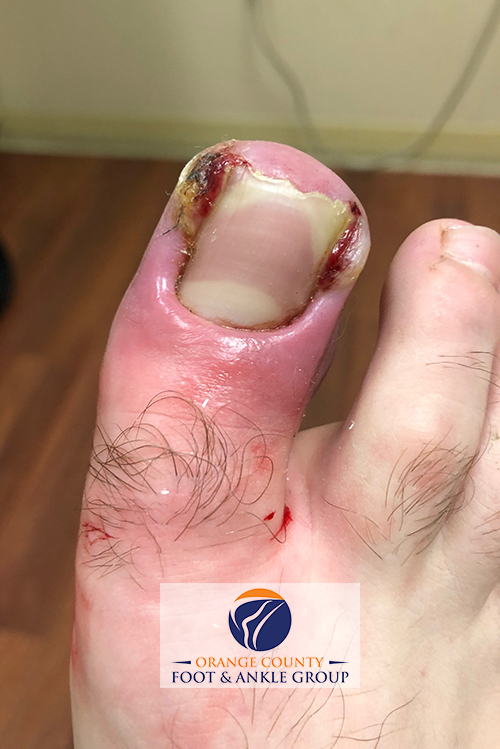
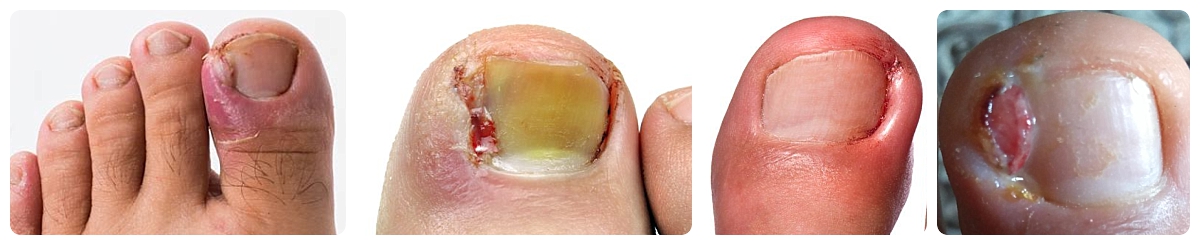
As the nail irritates the skin, the area may become painful, red, and swollen. In some cases, the skin can break down and an infection may develop. Ingrown toenails can affect people of all ages and may become a recurring problem when the underlying cause is not addressed.

What Causes Ingrown Toenails?
Ingrown toenails can develop for several reasons, and sometimes more than one factor is involved. Understanding what is contributing to the problem can help your podiatrist recommend appropriate care and reduce the likelihood of recurrence.
Common contributing factors include:
- Improper nail trimming: Cutting toenails too short or rounding the corners can encourage the nail edge to grow into the skin.
- Tight or narrow footwear: Shoes that squeeze the toes may place additional pressure on the nail and surrounding tissue.
- Nail shape: Some people naturally have more curved nails that are more likely to become ingrown.
- Injury or repeated pressure: Trauma to the toe or repetitive activities can affect how the nail grows.
- Thickened or abnormal nails: Changes in nail thickness or shape may increase pressure along the nail borders.
- Family history: Inherited nail shape and foot structure can contribute to recurring ingrown toenails.
Signs and Symptoms of an Ingrown Toenail
An ingrown toenail may begin with mild discomfort and gradually become more painful. Symptoms can vary depending on how deeply the nail is pressing into the skin and whether inflammation or infection is present.
You may notice:
- Pain or tenderness along one or both sides of the toenail.
- Redness and swelling around the nail border.
- Discomfort when wearing shoes or walking.
- Skin that appears to grow over the edge of the nail.
- Drainage, pus, or an unpleasant odor if an infection develops.
- Recurring pain in the same area of the nail.
If you have diabetes, poor circulation, or reduced sensation in your feet, even a minor toenail problem deserves prompt attention because complications may be more difficult to detect or heal.
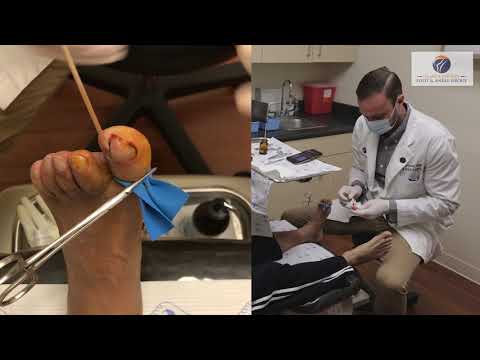
When Should You See a Podiatrist?
Some mild ingrown toenails may improve with appropriate home care, but persistent pain, worsening swelling, or signs of infection should be evaluated by a podiatrist. Trying to dig out or cut away the nail yourself can make the problem worse and may increase the risk of injury or infection.
Schedule an appointment if your ingrown toenail is painful, keeps returning, interferes with walking, or does not improve with conservative care. You should also seek medical attention if you notice drainage, spreading redness, or increasing warmth around the toe.
Patients with diabetes, circulation problems, neuropathy, or a weakened immune system should avoid attempting to treat an ingrown toenail on their own and contact a healthcare professional promptly.
Personalized Ingrown Toenail Care at Orange County Foot & Ankle Group
Our podiatrists begin by examining the affected toe and discussing your symptoms, medical history, and any previous ingrown toenail problems. We will assess the nail, surrounding skin, and whether there are signs of infection or other concerns that may affect your treatment.
The right approach depends on the severity of the ingrown toenail, whether it is a recurring problem, and your individual health needs. Our goal is to relieve discomfort, address the source of the irritation, and help you understand how to care for your toenails moving forward.
Ingrown Toenail Treatment Options
Treatment is based on your examination and the extent of the problem. Our team will explain the options that are appropriate for your condition and help you make an informed decision.
Conservative Care and Nail Guidance
For mild cases, your podiatrist may recommend changes in footwear, appropriate nail care, and other measures to reduce pressure and irritation. We can also provide guidance on trimming your toenails properly and recognizing early signs of a recurring problem.
Foot & Ankle Surgery
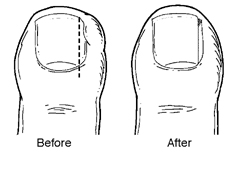
When an ingrown toenail is severe, repeatedly returns, or does not respond to conservative care, a surgical approach may be considered. Depending on the condition, this may involve addressing the portion of the nail that is causing the problem.
Your podiatrist will explain the recommended procedure, whether it is appropriate for you, and what to expect during recovery. The goal is to relieve the source of irritation while considering the health and appearance of the nail.
Care for Associated Infection
If an infection is present, your podiatrist will evaluate its severity and determine the appropriate medical care. Treatment may involve addressing the ingrown nail itself as well as managing the infection. Patients with diabetes or other risk factors may require additional precautions and follow-up.
Our Simple Plan for Getting You Comfortable Again
- 1. Schedule Your Appointment
Tell us about your symptoms and how long you have been experiencing discomfort. Our team will help you arrange an evaluation. - 2. Understand Your Options
Your podiatrist will examine the nail, identify the cause of the irritation, and explain the treatment options that are appropriate for your condition. - 3. Get Back to Comfortable Steps
Receive personalized care and guidance to help relieve discomfort, support healing, and reduce the likelihood of future problems.
How Can You Help Prevent Ingrown Toenails?
While not every ingrown toenail can be prevented, good nail care and properly fitting footwear may help reduce your risk.
Trim your toenails straight across rather than cutting deeply into the corners. Avoid cutting them too short, and wear shoes that provide enough room for your toes. If your nails are difficult to trim, unusually thick, or repeatedly become ingrown, a podiatrist can provide guidance.
If you have diabetes or reduced sensation in your feet, regular foot examinations and professional nail care may be especially important.
Featured Ingrown Toenail Videos



Frequently Asked Questions About Ingrown Toenails
A mild ingrown toenail may improve with appropriate conservative care, but more advanced cases or recurring problems often require professional treatment. If pain, swelling, or redness is worsening, it is best to have the toe evaluated rather than waiting.
You should not dig into the nail border or attempt to cut out a deeply ingrown nail yourself. Doing so can injure the surrounding skin, worsen the problem, and increase the risk of infection. A podiatrist can safely evaluate the nail and recommend appropriate treatment.
Signs of infection may include increasing redness, warmth, swelling, drainage, pus, or worsening pain. If redness is spreading, you develop a fever, or you have diabetes or another condition that increases your risk of complications, seek medical attention promptly.
No. Mild cases may respond to conservative care. Surgery may be considered when the nail is severely ingrown, repeatedly returns, or does not improve with other treatment. Your podiatrist will recommend an approach based on your specific condition.
Ingrown toenails can recur, particularly when nail shape, footwear pressure, or trimming habits continue to contribute to the problem. Certain surgical approaches may reduce the likelihood of recurrence, but no treatment can guarantee that an ingrown toenail will never return.
Recovery depends on the severity of the condition and the treatment performed. Mild cases may improve relatively quickly, while a surgical procedure may require additional healing time and aftercare. Your podiatrist will provide instructions and an expected recovery timeline based on your treatment.
Yes. Ingrown toenails can occur in patients with diabetes, and they may carry a greater risk of complications when circulation or sensation is impaired. If you have diabetes and notice an ingrown toenail, redness, drainage, or a wound, contact a healthcare professional rather than attempting to treat it yourself.
An untreated ingrown toenail may become more painful and can lead to inflammation, infection, or recurring problems. In higher-risk patients, complications can be more serious. Early evaluation can help prevent a minor concern from becoming a larger issue.
Take the First Step Toward Relief
You do not have to keep dealing with a painful toenail or worry about whether it will get worse. Orange County Foot & Ankle Group can help you understand what is causing your symptoms and recommend care tailored to your needs.
Whether your ingrown toenail is new, recurring, or showing signs of infection, our team is here to help you move forward with confidence.
Schedule an Appointment