Understanding Bunions: Causes, Symptoms, and Treatment Options
2026-09-10
6 mins read
Summary
Bunions are more than a cosmetic concern; they can cause significant discomfort and affect daily life. This article explores the causes, symptoms, and treatment options for bunions, emphasizing the importance of early intervention and the role of proper footwear. By understanding these aspects, individuals can take proactive steps towards managing their foot health effectively.
What Are Bunions?
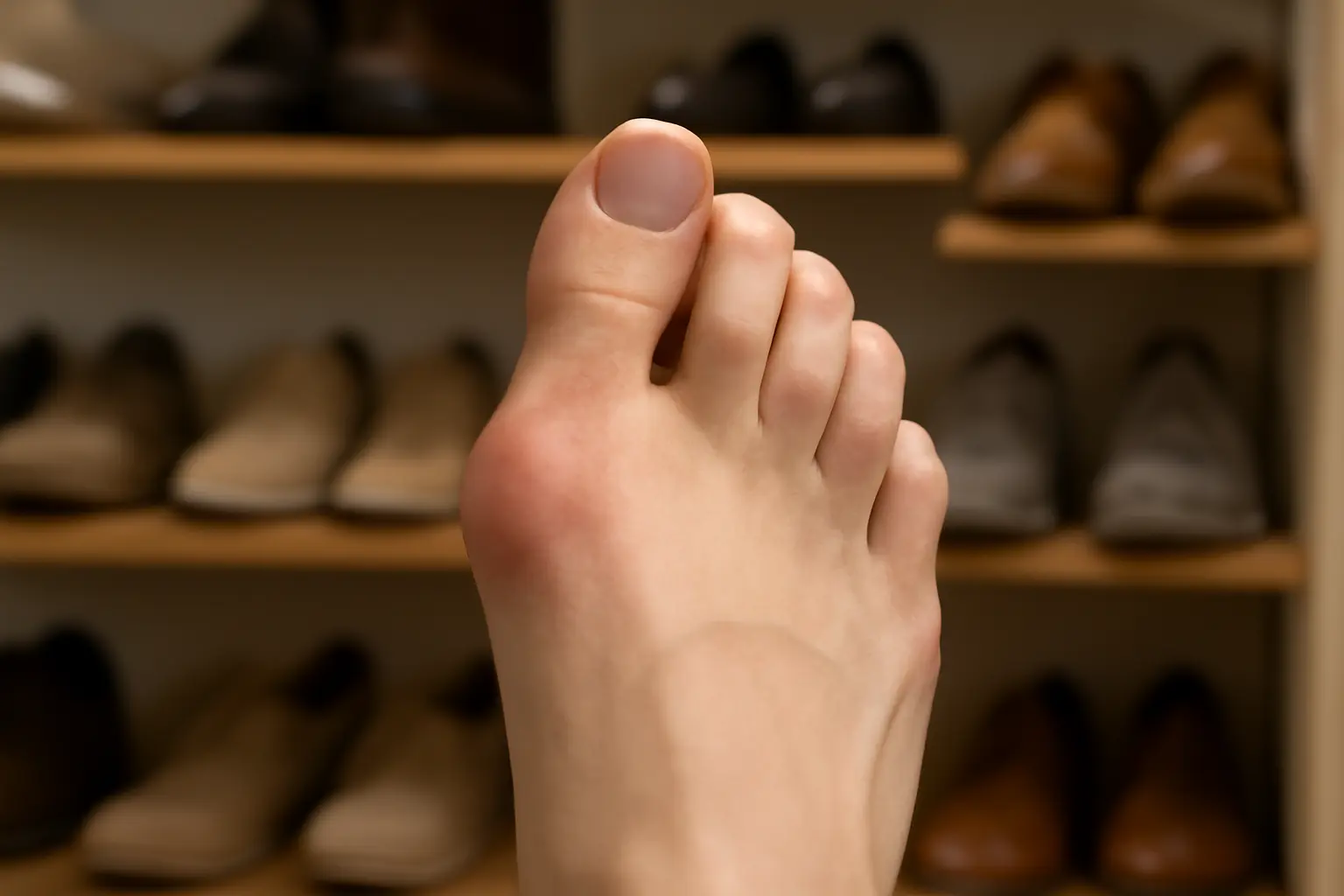
Bunions, medically referred to as hallux valgus, are bony protrusions that develop at the base of the big toe. They often arise due to an imbalance in the forces exerted on the toe joint. This condition can cause significant discomfort and affect a person's quality of life. While they may seem like a mere cosmetic issue, bunions can lead to a variety of painful symptoms and complications if left untreated.
Common Causes of Bunions
The development of bunions can be attributed to a combination of genetic, biomechanical, and environmental factors. For instance, individuals with a family history of bunions are more likely to develop them themselves. Additionally, certain foot types, such as flat feet or overly flexible ligaments, can predispose someone to this condition.
Footwear plays a critical role as well. High heels and narrow-toed shoes can place undue pressure on the big toe, exacerbating the formation of bunions. Over time, this consistent pressure can lead to the joint's misalignment, causing the characteristic bump to form.
Symptoms Associated with Bunions
People suffering from bunions often experience a range of symptoms. The most noticeable sign is the appearance of a protruding bump on the side of the big toe. This can be accompanied by pain, swelling, and redness in the affected area, particularly after prolonged periods of standing or walking.
Some individuals may also notice restricted movement in the big toe, making it difficult to wear certain types of shoes. In severe cases, bunions can lead to the development of other foot problems, such as corns or calluses, as the foot compensates for the misalignment.
Real-World Scenarios and Treatment Options
Treating bunions involves a multi-faceted approach depending on the severity of the condition and the symptoms experienced. For mild cases, conservative measures can be effective. This might include wearing wider shoes with adequate support, using orthotic devices, or applying ice to reduce swelling. Many find relief through products like those offered by OC Feet, which provide specialized footwear designed to alleviate pressure on bunions.
In more severe cases, surgical options may be considered. One common procedure is the bunionectomy, where the bony bump is removed, and the toe is realigned. However, surgery comes with risks and a recovery period that may involve limitations on mobility.
For instance, a patient who had a bunionectomy reported that while the postoperative pain was significant, following the rehabilitation protocol helped him return to his active lifestyle within a few months. This emphasizes the importance of adhering to post-surgical care for optimal recovery.
Preventing Bunions: Tips and Strategies
While not all bunions can be prevented, adopting certain strategies can significantly reduce the risk. Choosing shoes with a wide toe box and low heels is crucial. It's also beneficial to limit high-impact activities that may stress the feet.
Moreover, maintaining a healthy body weight can reduce pressure on the feet, potentially preventing or delaying the onset of bunions. Engaging in foot exercises can also promote better alignment and flexibility, which may help counteract the forces that lead to bunion formation.
When to Seek Professional Help
If you notice the early signs of a bunion, such as discomfort or changes in the shape of your foot, it's wise to consult a healthcare professional. Early intervention can prevent further complications and may save you from more invasive treatment options later on.
Additionally, if conservative measures fail to alleviate your symptoms or if you experience persistent pain, a podiatrist can provide an individualized assessment and recommend a tailored treatment plan.
Conclusion
Bunions are more than just a foot deformity; they can significantly impact daily life. Understanding their causes, recognizing symptoms, and knowing when to seek treatment are vital steps in managing this condition. With the right approach—whether through conservative measures or surgical intervention—those suffering from bunions can find relief and improve their quality of life.
Frequently Asked Questions
What causes bunions to form?
Bunions typically form due to a combination of genetic factors, foot structure, and footwear choices, especially tight or narrow shoes.
How can I relieve bunion pain at home?
You can relieve bunion pain by wearing wider shoes, using ice packs to reduce swelling, and considering orthotic inserts for added support.
When should I see a doctor about my bunions?
Consult a doctor if you experience persistent pain, difficulty walking, or if your bunion worsens despite home treatments.
Are there any surgical options for bunions?
Yes, surgical options include procedures like bunionectomy to remove the bony bump and realign the toe.
Can bunions be prevented?
While not all bunions can be prevented, wearing appropriate footwear and maintaining a healthy weight can help reduce the risk.